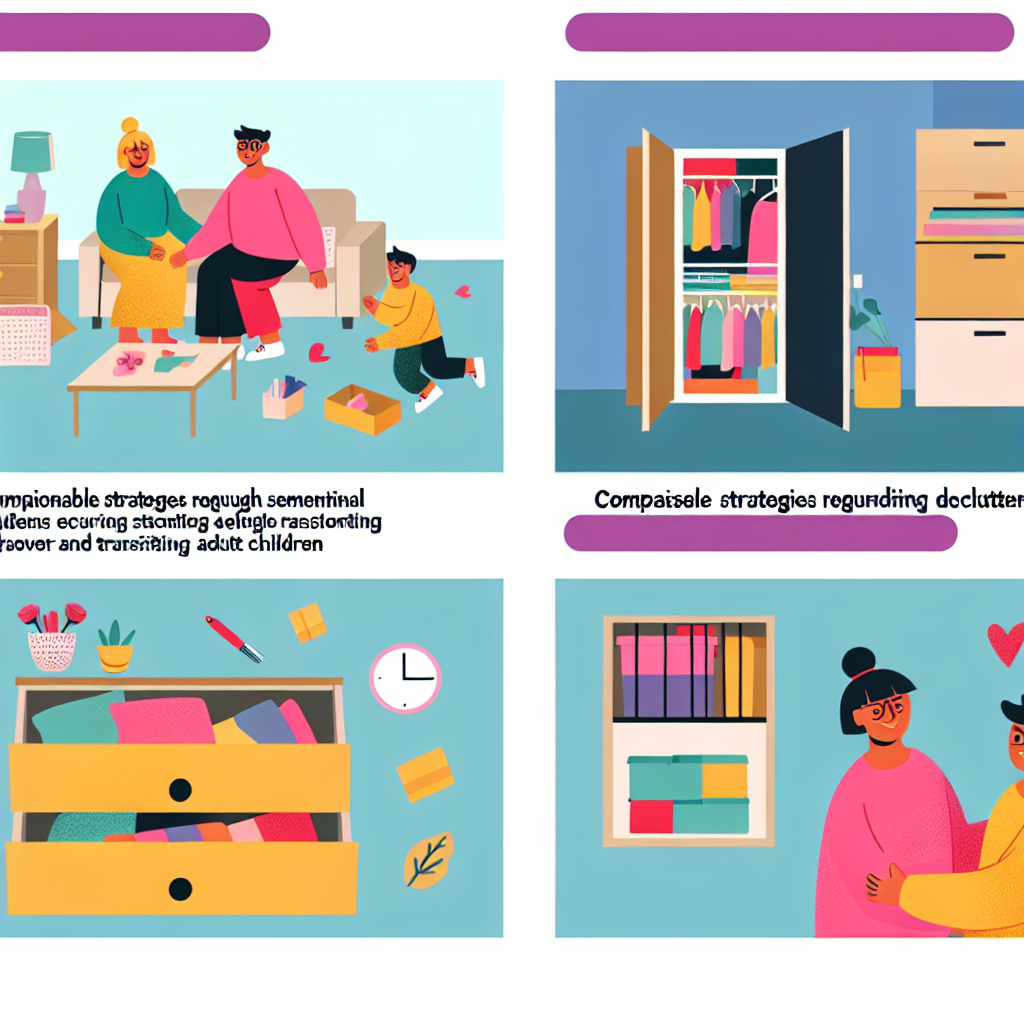
# One Tiny Toss at a Time: How Small Decluttering Wins Change Family Life
If you’re parenting little humans, working, or doing both while holding a lukewarm coffee like it’s a life preserver, the idea of “decluttering” sounds like fantasy. Picture a Pinterest board titled “Serene Home, Three Kids, One Dinner” — immediately out of reach. But here’s the secret: meaningful change doesn’t need a dramatic weekend purge. It can start with one empty wipes packet tossed into a hospital bin while you’re waiting for a newborn’s paperwork to process. Or it can be the quiet relief of canceling a storage unit that was secretly draining your adult child’s budget. Tiny moves add up, emotionally and logistically.
Relatable opening: the messy middle
Last week I found a lone sock behind the stroller, a crayon fossil under the couch, and an email about subscription fees I didn’t even remember signing up for. I folded one burp cloth with the same hand that was scrolling parenting forums for a twenty-minute recipe hack. I didn’t stage a makeover. I did one small thing: I emptied the diaper caddy of expired creams and the victory felt disproportionate to the effort — in the best way.
Start with “just one thing” (yes, that’s the whole plan)
Decluttering is a micro-habit. Set a five- to ten-minute timer and remove one item, one drawer, or one bag. Maybe it’s:
– Tossing an empty wrapper while you’re at a playground bench.
– Scanning and shredding a stack of old school forms during nap time.
– Unplugging and recycling one broken charger.
Why it works:
– It feels achievable, so you actually do it.
– Small wins create forward motion; momentum matters more than perfection.
– It respects limited energy — essential for parents who are also running on coffee and guilt.
Make it routine by attaching it to something you already do. After breastfeeding, fold a tiny outfit. While the bottle warms, toss one expired product. Five minutes beats elaborate planning every time.
Celebrate tiny victories (out loud, if you want)
Decluttering is rarely cinematic. Sometimes progress is deciding not to suture nostalgia back onto an old onesie. Celebrate: tell your partner, text a friend, or give yourself a mental high-five. Those small reinforcements keep the habit alive — and when you feel like you’re failing at everything, a small win becomes emotional currency.
When things carry emotion, go gentle
Some items aren’t about utility — they’re about memory. Heirloom quilts, boxes of photos, your partner’s high school trophies — these deserve patience. Practical approaches:
– Limit keepsakes to a set number of boxes. Physical boundaries help decision-making.
– Digitize photos and papers. You still have the memory; you free up space.
– Create a “maybe” bin. Revisit it in six months. If you haven’t mourned it, you likely won’t.
– If you’re sorting a parent’s things ahead of future needs, think of it as care, not erasure.
Helping grown kids without doing their cleanup for them
I once drove across town with a friend to help her clear out a storage unit her twenty-something son had maintained out of inertia. We packed, moved, and — gently, repeatedly — asked what he wanted us to keep. The point wasn’t to declutter for him, it was to free him to make financial choices that didn’t include paying for boxes of things he never used.
How to support without overstepping:
– Offer logistics (driving, packing, hauling) but let them choose what stays.
– Suggest concrete goals: cancel a storage unit and reallocate the monthly fee.
– Keep only items explicitly requested — don’t adopt their stuff by default.
– Connect them to donation spots and second-life resources.
Quick rules when you’re uncertain
Keep a short list of local donation centers and what they accept. Know what’s worth selling and what’s faster to donate. When in doubt:
– Useful and loved? Keep.
– Usable but not loved? Donate.
– Broken beyond repair? Recycle or trash.
– Valuable? Sell or give to someone who needs it.
Make decluttering a family habit (without turning everything into chores)
Turn tiny tasks into shared rituals. A Saturday ten-minute sweep where everyone clears one surface works wonders — and isn’t that peak parenting: four bodies doing six things and somehow collapsing on the couch at 2 p.m. with a sense of accomplishment? Teach older kids the “one-in, one-out” toy rule. Let them lead charity bag packs — they learn responsibility and that their stuff helps others.
Avoid extremes: tidy, not erased
This isn’t an invitation to minimalism’s moral high ground. Your child’s macaroni art, the stack of picture books, the living-room fort — they are the point. Decluttering is about conscious ownership, not denying the joyful mess of living.
Wins and fails (because both are part of the story)
Win: I canceled a recurring craft subscription I never used and felt a ridiculous amount of relief. Fail: I saved the “perfect” painting of a volcano and then decluttered it two months later when my five-year-old announced he hated volcanoes. Both moments taught me: it’s okay to try and change your mind.
Practical starter checklist for a tired parent
1. Timer for five minutes. Remove one item or clear one drawer. Done.
2. One donation bag in your car. Toss things as you see them during the week.
3. One sentimental box: sort into keep/maybe/donate and set a reminder to check it in six months.
Takeaway: small acts, big emotional returns
You don’t need a dramatic, all-weekend purge to feel lighter. Tiny, consistent habits — one wrapper, one bag, one drawer — will add up to real change. Be gentle with sentimental pieces, help grown kids in ways that actually free them up, and keep a short, practical list of donation and recycling resources.
Three quick steps to begin today
1. Pick one thing to remove now and set a 5–10 minute timer.
2. Make a shortlist of two local donation/recycling options.
3. Choose one sentimental box — sort it into keep/maybe/donate and revisit in six months.
I’ll be honest: sometimes the pile wins. Sometimes the laundry forms a new ecosystem on the couch. But tiny choices compound — and the psychological relief of less stuff is real. What’s one small thing you tossed or donated this week, and how did it feel? Share your wins (and your spectacular fails) — we’re in this together.