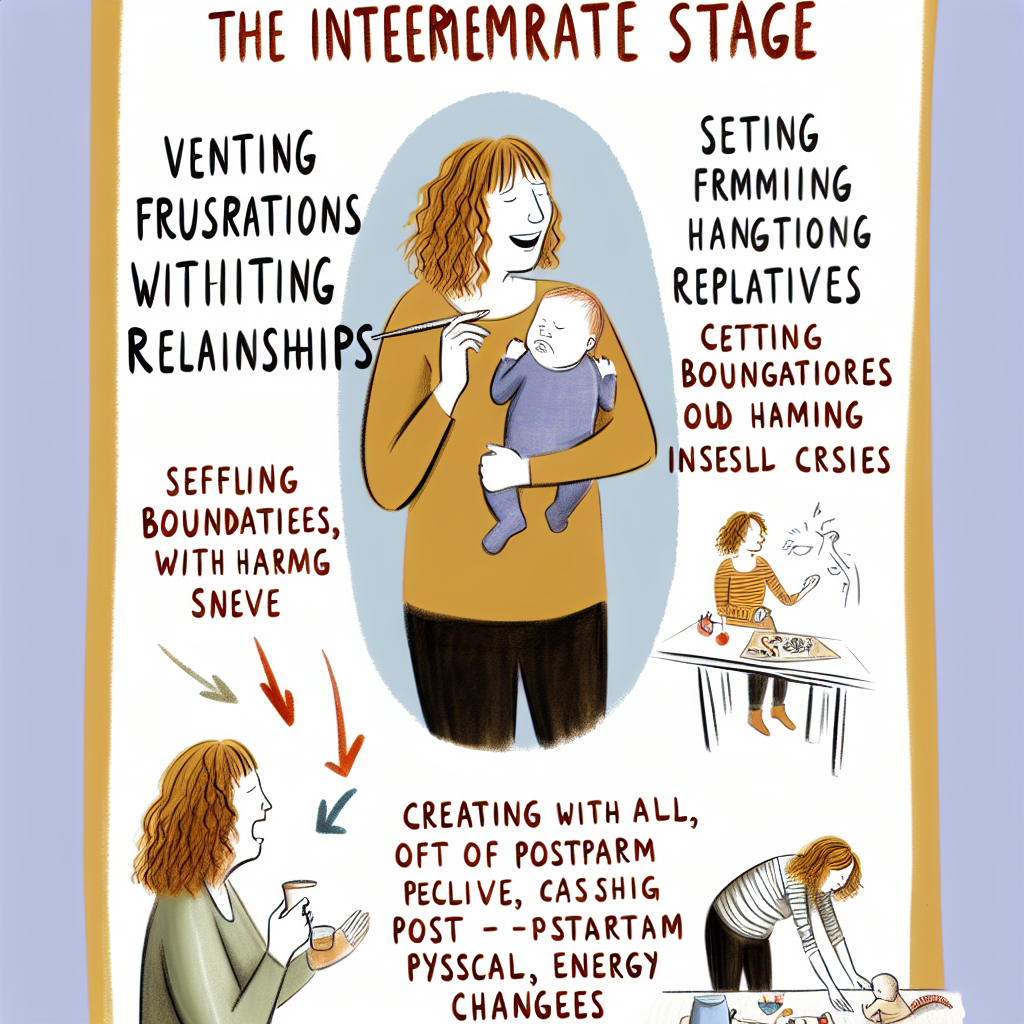
# When Everything Feels Like a Rant: Real Ways to Survive the Messy Middle of Early Parenthood
Parenting can feel like one long stream of small — and large — frustrations. The partner who nods but doesn’t notice diaper stock levels, the cousin who believes your parenting choices need footnotes, the body that had other plans after birth, and the second child who somehow misses out on things you promised yourself you’d do ‘this time.’ If you’re nodding so hard your coffee sloshed, you’re in the right place.
Let’s take those rants and turn them into tiny, practical moves you can actually try between naps, work calls, and snack negotiations.
## Give Yourself Permission to Vent — Productively
Everyone needs a pressure valve. If you don’t let steam out, you’ll blow a gasket — or snap at someone you love.
– Build a safe venting habit. A weekly 10–20 minute check-in with your partner, or a daily honest text thread with one friend, makes you feel seen. Keep it short: name the feeling, then name the ask.
– Try a one-sentence start. Replace ‘You don’t help’ with ‘I had a rough night and I need help with morning feeds this week.’ It’s less dramatic and far more actionable.
– If you post online, treat social media like a brainstorm board, not a battlefield: normalize feelings and ask for solutions, don’t inflame grief into a fight.
Win: I text my friend one angry line and she replies with one helpful practical fix. Fail: I once texted an 800-word rant and then cried that no one replied fast enough. Lesson learned.
## Fix the Partner Friction
Most fights aren’t about laundry; they’re about expectations and exhaustion.
– Schedule a weekly 15-minute check-in. Start with logistics and one genuine appreciation. Yes, say the weird little things: ‘Thanks for making the coffee last night.’
– Make concrete asks. ‘Would you handle bath night on Tuesdays?’ beats vague accusations.
– Use ‘I’ statements: ‘I feel wiped when I handle nights solo; can we try splitting weekends?’ It focuses on impact, not blame.
– Celebrate micro-wins. When your partner actually does the thing, say, ‘That helped so much.’ It trains both brains to notice the good.
Real moment: I scheduled a check-in; my husband thought it was an app update. Now we both set a 15-minute alarm and actually talk like functioning adults for once.
## Taming the In-Law Commentary
Parents and in-laws usually mean well, but their ‘helpful’ tips can feel like judgment.
– Pick two boundaries to hold firm on; let smaller things slide for peace.
– Keep scripts handy: ‘Thanks for the suggestion, we’re trying that right now.’ Neutral, short, and disarming.
– If criticism becomes constant, schedule a calm conversation and offer compromises: visiting hours, topics off-limits, or specific childcare rules.
– Remember: you can accept their love and decline their opinions.
Win: I told my mother-in-law our visiting window and she respected it — a miracle. Fail: I once explained why I didn’t co-sleep until I was 40 minutes into a lecture on safe sleep. I was sleepy and defensive; not my best parenting moment.
## The Humbling Reality of Birth and Early Parenthood
Birth changes everything. Whether it was a gentle labor or a chaotic one, you might be left humbled, sore, and a little unrecognizable to yourself.
– Grief is real. You’re allowed to mourn what you thought this phase would be.
– Communicate limits. Tell partners and caregivers what you can and can’t do physically — you don’t have to ‘power through.’
– Keep a tiny recovery checklist: hydration, gentle movement, pelvic floor work when cleared, and at least one shower that isn’t labeled ‘optional.’ Celebrate each small win.
I expected to bounce back. Reality: I celebrated being able to bend and pick up a sock without wincing.
## Finding Energy for Your Body When Time Is Thin
Losing baby weight or reclaiming fitness is a marathon, not a sprint. The plan has to fit your life, not the other way around.
– Tiny, sustainable habits win: 10-minute movement bursts, protein at breakfast, or swapping evening doom-scrolling for a mindful tea.
– Reframe relaxation: if snacking soothes you, upgrade the snack — hummus and crackers instead of the entire chip bag.
– Use childcare windows wisely. One focused 20-minute workout beats an hour of distracted chaos.
– Ask for help. If your partner works late, see if a friend or paid sitter can cover one nap a week so you get a real break.
Win: I finally did a 20-minute strength video straight through while the baby napped. Fail: I once tried a 60-minute live class with a toddler who thought my laptop was a drum.
## Closing the Gap for Child Two Without Crushing Yourself
Guilt around baby two is universal. The goal isn’t minute-for-minute equality; it’s ‘enough’ love and stimulation.
– Reclaim micro 1:1s. Five focused minutes of undivided attention several times a day beats an exhausted hour.
– Tummy time hacks: carry baby at chest height with a mirror nearby, or set a play mat on the couch so the older sibling can sit close and ‘help.’
– Baby-wearing is practical. Use it during older-kid activities so baby still gets social time.
– Involve the older child in small ways that make them feel helpful and give baby stimulation.
I promised elaborate sensory bins for kid two. Reality: we did three glorious minutes of face-to-face play and it was enough.
## When to Call in Backup
If the exhaustion, weight concerns, or family conflict feel like they’re swallowing you, it’s okay to ask for help. Therapists, lactation consultants, postpartum doulas, or a good neighbor with a casserole can change everything. Asking for help is parenting smart, not failing.
## Takeaway
Parenting will keep throwing curveballs, but small choices matter. Turn rants into requests, use short realistic routines, and give yourself credit for the messy work you’re doing. Celebrate the tiny wins, learn from the fails, and let the rest go.
What’s one rant you’ve turned into an action — or one you’re still working on? Share your story below so we can swap survival hacks (and commiseration).