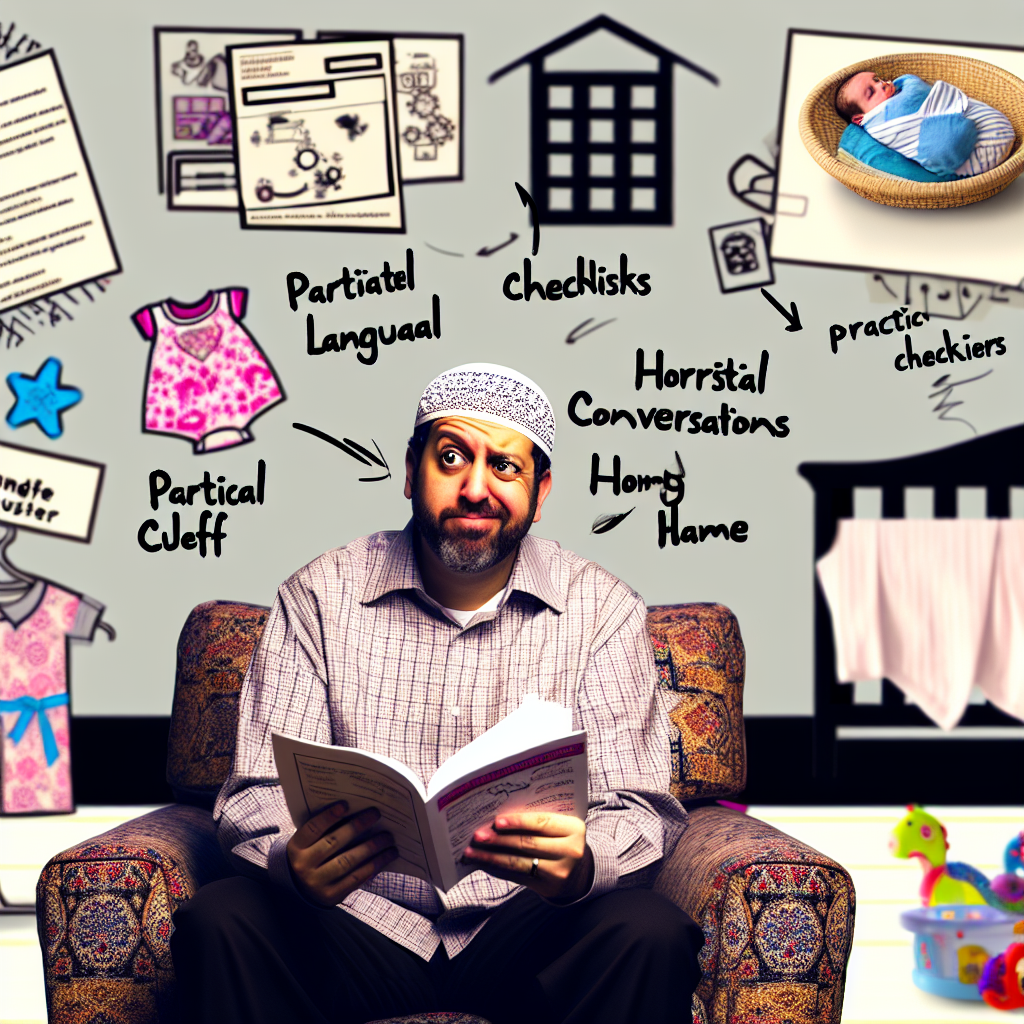
# Welcome, Chaos: Practical (and Emotional) Survival Tips for New Dads and Growing Families
Expecting a baby is equal parts awe and controlled panic — like being given a shiny, complicated gadget with no manual and a toddler whispering, “Put the batteries in wrong.” You mean well. You read the blogs. You buy the onesie with the tiny suspenders. And then you discover there’s no app for how it feels at 2 a.m. when everything smells like spit-up and you’ve forgotten how sunlight looked.
I’m Rachel Foster. I’ve had the blissful, the embarrassing, and the absolutely baffling moments that make new-parent life feel like improvisational theater. Here’s the no-frills, feelings-friendly guide I wish someone handed me in a zipper pouch between the stroller and the car seat — practical steps, emotional checkpoints, and permission to be gloriously imperfect.
## Before the baby: show up, but don’t over-index on Pinterest
Go to appointments. Ultrasounds and prenatal visits are not just scans and vitals; they’re your first team meetings. Ask the questions you’re really curious about, not the ones you think sound smart. Pick birth classes that match your learning style — if one is doll-focused breastfeeding practice and that doesn’t land for your partner, skip it. Real talk: practice is helpful, not sacred.
Registry tip: lock in big-ticket items early — car seat, stroller, crib — then slow-buy cozy extras. Price trackers and open-box finds are your friends if you’re budget-minded. Meet doulas sooner rather than later; finding someone who feels like an ally can change hospital hours from a survival marathon into a manageable relay.
## Paperwork: boring, but boundaries matter
Find out what parental leave you get and how to use it. Get the medical forms your employer needs from your OB. Returning to work early because you’re “being helpful” is a trap; use the time you’re entitled to. Also: put your paperwork in one clearly labeled folder so it’s not a scavenger hunt at midnight.
## Practical must-haves (what actually saved us)
– Install the car seat base before D-day. Hospitals may not discharge you without it.
– Pack a “go bag” with chargers, toiletries, a comfy shirt for yourself, and a couple sizes of baby clothes (0–3 months, not just newborn).
– At home: two waterproof mattress covers, one reliable baby carrier, one soft swaddle, a swing/bouncer to rescue your arms, and a travel bottle warmer for night feeds.
– Test strollers in real-life conditions — stairs, curbs, public transit — not just on the showroom floor.
My fail: bringing only newborn-sized onesies. My win: a bouncer that let me microwave coffee and inhale it hot for three glorious sips.
## Labor and delivery: roles, options, and being useful
Labor rarely follows a script. Your job as partner: be present, advocate, and offer practical help. Encourage movement, offer water, prompt position changes, and keep a gentle eye on the support team’s energy flow (someone needs to go outside for fresh air). Decide ahead of time small things like whether you want to cut the cord — these tiny decisions reduce noise later.
Pain management is personal. Nitrous oxide, epidurals, TENS units — they’re options with trade-offs. Talk to your provider; pick your priorities and be ready to pivot.
## Feeding and sleep: plan, but stay flexible
Breastfeeding is often harder than the classes make it sound. Use lactation consultants early; they’re worth their weight in sleep. If using bottles, try several styles to find one that minimizes air-swallowing. For sleep: agree on a philosophy (room-sharing, co-sleeping, or independent sleeping), then treat it as a hypothesis, not a law.
Helpful tools: a sound machine, blackout curtains, and a predictable bedtime routine once your baby’s circadian rhythm starts to show.
## Baby care basics: stop Googling at 2 a.m.
– Thermometer and a quick crash course on fever thresholds.
– Appropriate-dose acetaminophen/ibuprofen (ask the pediatrician for the exact dosing chart and store a copy on your phone).
– Gas drops, a bulb syringe for noses, lanolin for sore nipples or chapped cheeks.
– Save pediatrician and nurse-line numbers under easy-to-find contacts.
When in doubt, call the advice nurse. They’ll tell you whether to breathe or bolt.
## Emotions: grief, joy, and being allowed to feel both
Parenthood is not all cute outfits and milestone posts. It’s also exhaustion, identity shifts, and sometimes grief — especially if you’re processing a loss or a complicated relationship during a joyous event. Let yourself hold mixed feelings. If you’re a dad and feel off, remember dads get postpartum mood struggles too. Ask for help; it’s not a weakness.
Building a support circle (real people, not just social-media cheerleaders) made the biggest difference for me. Swap meals, texts, or half-hour childcare windows. Community is oxygen.
## Teach new lessons for a changing world
Raise kids to be curious and kind, not to replicate every rule you grew up with. Let go of outdated fears — a little mess means creativity. Model problem-solving, ask questions aloud, and admit when you don’t know. That honesty teaches more than a thousand lectures.
## Embrace the small wins (and the dad jokes)
You will become the person who tells purposely awful jokes and feels proud of it. Celebrate those small, ridiculous victories: a peaceful 4 a.m. feed, a successful bath without tears, the first cereal-smile. These are the moments that outlast the sleepless nights and endless laundry.
My undefeated moment: building a Lego spaceship out of a cereal box and a sock. My face when my kid declared it “perfect”: a father’s pride, 100% authentic and slightly sticky.
## Takeaway
Plan where you can, guard your leave, buy the gear that fits your life (not Instagram), and learn one reliable hack that buys you two minutes of sanity a day. Most importantly, be present for the tiny, messy, miraculous moments. You don’t need to be perfect — you just need to be there.
What’s one chaotic parenting moment that ended up being your proudest mess? Share it — we’ll trade wins, fails, and the best weird dad-jokes in the comments.