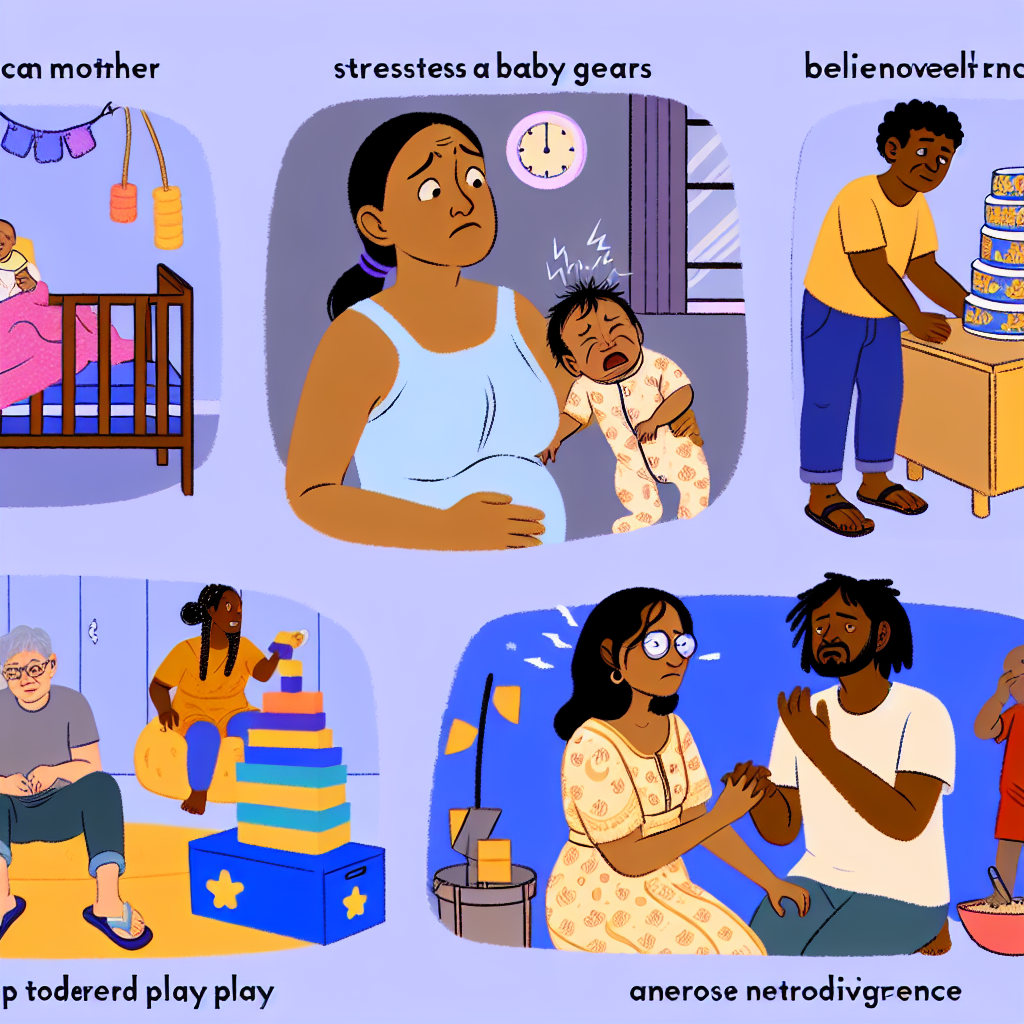
# Parenthood Unplugged — by Rachel Foster
Parenting never comes with a single playbook. One minute you’re standing over a dresser, whispering to a newborn onesie like it’s the secret to world peace because the nursery thermostat says it’s 65°F; the next you’re in aisle three staring at a cart of diapers wondering which size will actually help a family in need. Throw in toddler mood swings, questions about whether your kid’s play is “normal,” and the emotional drain of navigating ASD/ADHD, and it’s normal to feel like you’re juggling flaming torches while wearing oven mitts.
I’ve had nights where I cried into a lukewarm cup of coffee because I was convinced my baby was overheating, then the next morning I donated a box of newborn diapers that never left the closet. If that sounds familiar, you’re in good company. Here are the real, messy truths behind those parenting curveballs — with practical tips, small victories, and the occasional cringe-worthy fail.
## Keep the bedroom calm: how to dress babies and manage temps (without turning into a thermostat tyrant)
New parents obsess about overheating or underdressing their infant. Smart gadgets that track room temp and suggest layers can be magic — until they become another late-night source of anxiety.
– Aim for comfort: Dress your baby in one more layer than you’re wearing. Trust the back of the neck, not cold hands and feet — those extremities are usually fine even when the core is warm.
– Choose breathable fabrics: Cotton, muslin, or bamboo blends breathe well. Swap heavy swaddles for season-appropriate sleep sacks with TOG ratings you understand.
– Use gadgets as helpers, not overlords: If a monitor calms you, great. If it starts dictating every midnight check-in, unplug and come back to basics: room temp, a hand on the chest, and your instincts.
– Target temps, not perfection: Many parents aim for 68–72°F (20–22°C). Some babies are fine outside that range. Check your child, not just the screen.
Win I’ll brag about: I once fixed a three-hour wake-up cycle by switching to a thinner sleep sack and a slightly later bath. Fail I’ll own: I rewrapped a swaddle at 2 a.m. for 20 minutes because an app told me so. We survived both.
## Diaper donations: what actually helps (and what ends up in storage)
If you’ve got a coupon and a heart full of generosity, bless you. But donation centers have needs, and knowing them saves money and clutter.
– Most needed: Sizes 3–5. These mid-range sizes are used most and donated least.
– Less needed: Newborn packs often pile up at hospitals; very large sizes (7–8) are less common for donation requests.
– Be flexible: Multi-size packs or mixed donations help families who aren’t sure what will fit.
– Add the extras: Wipes, diaper cream, travel packs, and pull-ups (if requested) are game changers for pantries and shelters.
Pro tip: Call your local pantry or shelter before shopping. They’ll tell you what’s needed right now — and it helps the donation actually get used.
## Sleepovers: prepping kids (and parents) for a night away
First overnight at grandma’s? Kid’s first friend sleepover? A weekend away for you? A little prep makes big differences.
– Portable routine: Pack a small version of bedtime cues — favorite book, nightlight, pj’s, a lovey. Routine translates better than perfect replication.
– Communicate clearly: Share naps, feeding cues, soothing tricks, and any meds in a text or checklist.
– Manage expectations: Excitement + new place = sometimes sweaty, sometimes sleepless. Expect a hiccup and be gentle on yourself.
– Emergency kit: Contact info, allergy notes, meds, and a photo of your child. Yes, you’ll thank yourself.
I once forgot a nightlight for a sleepover and learned that glow-in-the-dark stickers are not a proper substitute. Lesson learned.
## When behavior breaks your heart: ASD/ADHD meltdowns, parent burnout, and the long haul
If your child has a diagnosis or you’re simply navigating big emotions, there will be days that feel devastating. That feeling doesn’t mean you’re failing — it means you care.
– Accept complexity: Neurodivergent kids can flip from brilliant and social to dysregulated fast. It’s rarely ‘choice’ — often sensory overload, term fatigue, or executive function limits.
– Build tools, not expectations of perfection: Visual schedules, calm-down corners, sensory-friendly clothes, and OT or behavior therapy can help. They mitigate, not eliminate.
– Protect yourself: Burnout is real. Ask for help, join a support group, try counseling, or take short respite breaks. Small recharges keep you present for the long term.
– Advocate and iterate: Keep in close touch with schools and therapists. If something’s not working, say so. Change strategies until you find what helps.
– Celebrate the wins: When a meltdown is shorter, or your child uses a breathing exercise once — notice it, tell them, and store it as proof of progress.
I’ve had days I felt like a walking failure and nights where a single sensory toy prevented a meltdown. Both are part of the story.
## Toddler play: when curiosity looks weird (and why that’s usually okay)
Toddlers throw, dump, and run — often more interested in the process than the toy. It can be baffling, but it’s usually development in action.
– Play is sensory: Dumping pasta, pushing cars, or throwing soft balls teaches cause-and-effect, motor planning, and joy.
– Redirect, don’t shame: Offer safe things to throw, boxes to climb in, or pushing toys instead of scolding the behavior away.
– Rotate toys: Swap a few toys every week to keep things novel.
– Watch patterns: If certain playstyles persist over months with little language or social engagement, mention it to your pediatrician. Early checks are proactive, not panicked.
We once created a ‘dump box’ — an IKEA basket of approved dumping objects — and watched a previously obsessed toddler expand into new play in three days.
## Takeaway: keep showing up, imperfectly
Parenting is messy, contradictory, and often hilarious in the worst possible way. Use gadgets and community resources when they reduce stress. Donate what’s actually useful. Pack a portable bedtime. Lean on professionals for neurodivergent support. And remember: strange toddler play is often learning disguised as chaos.
The biggest win is showing up, asking questions, and reaching out when you need help. You don’t have to get it right all the time — you just have to keep trying. That’s parenting, and it’s enough.
What’s one parenting curveball you didn’t see coming — and what unexpected hack saved (or at least survived) that moment?