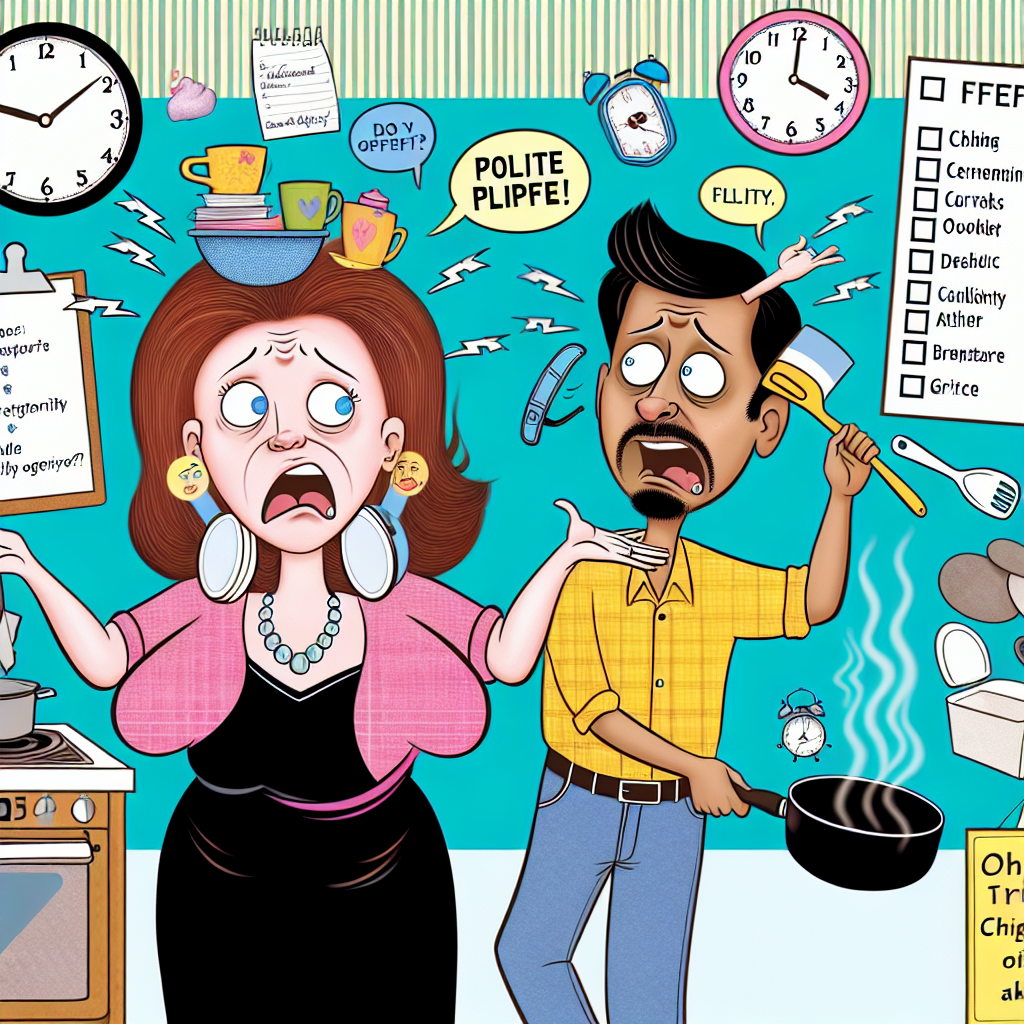
# Doing the Juggle Without the Judgment: Practical Support for Millennial Parents
Parenting in your thirties sometimes feels like being on a seesaw that never stops moving — except one of the kids is holding your phone, another is wearing a cape, and you forgot where you put your keys. Between full-time work, commutes, childcare logistics, and the relentless scroll of opinionated strangers online, it’s easy to feel guilty, exhausted, or just plain behind. I promise: you are not the only one who has fed cereal for dinner and called it a win.
## The morning grind: small tasks, big feelings
Mornings compress five days of decisions into sixty minutes. There’s teeth, shoes, lunchboxes, permission slips, the eternal question of who kissed the missing sock, and the tiny human who discovered early-morning sass. When one partner’s contribution looks minor from the outside, resentment sets in fast.
What helped us: mapping the routine like we were planning a very boring heist. We wrote every step down — even the invisible stuff (packing snacks, refilling creams, mentally rehearsing presentations) — and assigned names. Suddenly the grocery run wasn’t “helping once in a while,” it was a concrete contribution.
Try this:
– Map your morning routine together. Write down every task and who does it. Visible labor matters.
– Trade tasks, don’t “own” them. Swap lunches for drop-off twice a week so one person isn’t always the designated chaos manager.
– Build buffer time. Even 10 minutes of standing outside with coffee (not scrolling) is ceremony — it changes the day’s tone.
When you talk, be calm and specific. “I need help with lunches four mornings” lands better than “you never do anything.”
## Make meal planning a team sport (and sanity saver)
Dinner is where modern parenting meets its nemesis: exhaustion. Picky eaters plus long days equals nightly theatrics where the prize is vegetables and your dignity.
Some practical hacks that actually work:
– Pick two “easy” and two “make-ahead” dinners each week. Rotate favorites so planning becomes predictable.
– Embrace semi-prepped groceries. Pre-chopped veggies and frozen proteins are not cheating — they’re tools for survival.
– Clearly assign grocery and dinner duties. If one person shops, the other owns a simple dinner rotation.
– Lean on one-pan or one-pot recipes and double them for leftovers. Batch-cooking on weekends can feel like effort up front but saves evenings.
Set a no-judgment rule: if someone’s running low on time or spoons, the other steps in without moral commentary.
## Protect your choices: daycare, work, and the no-shame rule
There’s no single right way to parent. Whether you return to work after 12 weeks, choose daycare, or go hybrid, people will have opinions — especially online. I’ve learned to treat unsolicited advice the way I treat mystery Tupperware in the fridge: with curiosity and swift boundaries.
How to push back:
– Gather credible info. Good childcare professionals do real developmental work — ask for licensing info, local reviews, and parent recommendations.
– Set simple boundaries for judgmental conversations: “This works for our family.” Repeat as needed.
– Find your people. Other parents in similar situations make choices feel less lonely.
## Grief, fertility, and holding complicated feelings
Health scares and fertility shifts quietly reshape plans and identity. Losing an option or facing early perimenopause is not just medical — it’s a small death of expectation, and grieving is normal and valid.
A few ways I learned to cope:
– Name the loss. Call it grief. It’s less tidy than we expect, but naming makes it real.
– Seek professional help. Therapists, reproductive counselors, and peer groups offer space to process without shame.
– Let your partner in. Specific asks help: “Can you take the kiddo Saturday morning so I can go to an appointment?” beats vague hints.
It’s okay to hold both sorrow and joy at the same time.
## Civility matters (at home and online)
Parenting communities can be lifesavers — and pressure cookers. If a thread becomes an anxiety spiral, step back. Keep conversations curious and source-driven when they touch policy or health.
Guidelines that keep things useful:
– Ask questions, don’t accuse. “How do you manage sick days?” invites answers.
– Evaluate sources. Default to reputable info when health or policy is involved.
– Vote as a family where possible. Civic engagement shapes the systems that affect parental leave and childcare.
## A practical checklist to start today
– Make one small change this week: plan two make-ahead dinners, or map mornings for one week.
– Schedule a 15-minute “team meeting” with your partner to divide chores and air emotional needs.
– If you’re grieving a health or fertility loss, book one support appointment — therapist, doctor, or peer group.
– Set a social-media boundary: mute threads that fuel shame or comparison.
## Wins, fails, and the truth in between
I celebrate the small wins — a week where lunches were packed without shouting, or a night when everyone ate something green. I also own the fails: the time I packed three identical lunches because I misread the list, or the night I cried in the laundry room because I was tired. Both are part of the story.
If you’re reading this and feeling like you need permission: consider this it. Permission to choose what works, permission to ask for help, and permission to change your mind.
Parenting doesn’t come with a manual, and it certainly doesn’t come with a single right way. Small, practical changes — clearer communication, shared responsibility, and a no-shame approach to choices — can make a surprisingly big difference. Be kind to yourself. Ask for help. Show up where you can, rest where you must, and laugh when the baby ends up wearing your scarf.
What’s one tiny, no-judgment change you made this week that actually helped? I’d love to hear the wins and the “epic fails” — let’s swap ideas so fewer parents do the juggle alone.