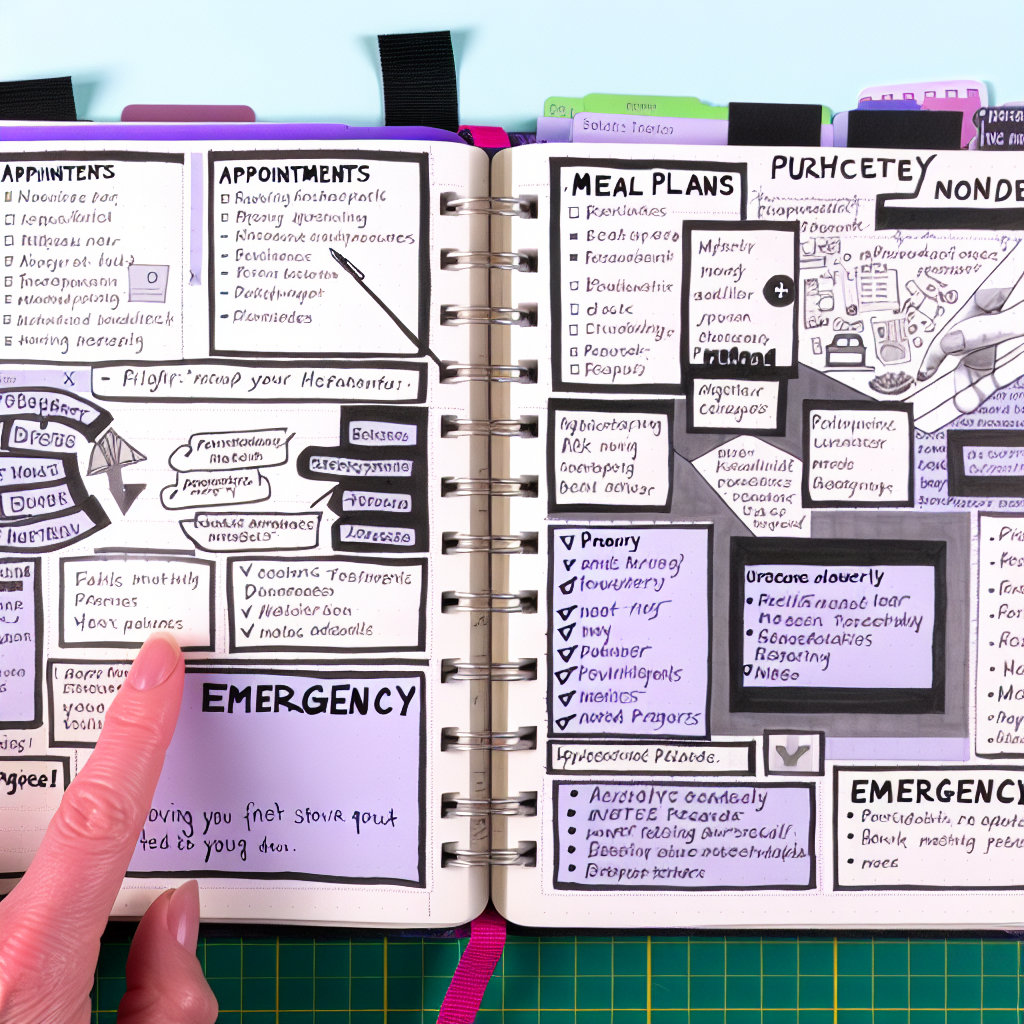
# The Busy Parent’s Guide to Bullet Journaling: Simple, Meaningful, and Totally Doable
You don’t need an art degree, an Insta‑worthy setup, or hours of free time to keep a journal that actually helps your family. For millennial parents juggling careers, kids, and the never‑ending logistics of life, a bullet journal can be a lifeline — a place to track appointments, stash important info, capture tiny memories, and give your brain five minutes of calm. Here’s how to make one that fits your family, your schedule, and your budget.
## Why a journal is worth it (even if life is chaotic)
Raise your hand if you’ve ever spent ten minutes hunting for the orthodontist appointment text that your partner *swore* they sent. Now raise your other hand if your grocery list, medication instructions, and that genius idea about field trip snacks are living in three different apps and a soggy Post‑it. Welcome to my life (and maybe yours).
A journal doesn’t have to be another thing on the to‑do list. Think of it as the one spot where you corral everything that would otherwise live in 17 different places. Meal plans, medication schedules, school contacts, and those milestone moments you don’t want to forget — everything in one book. And when life throws a curveball (hello, last‑minute school closure), having that information written down reduces stress in a very real, very practical way.
## Start simple: layouts that actually get used
The first time I tried bullet journaling I spent three hours creating a watercolor header, hand‑lettered days of the week, and a habit tracker that looked like a tiny constellation. It lasted two days. Then a soccer cleat exploded in the hallway and I forgot to update Tuesday.
Resist the pressure to copy elaborate spreads. Begin with a few pages that solve immediate problems:
– **Monthly calendar:** Big‑picture dates — school holidays, work deadlines, daycare closures. Use one line per day. No doodles required.
– **Weekly spread:** Minimal layout with each family member’s key activities and a short to‑do column. I draw three simple columns: Kids, Work, House. It’s ugly but it works.
– **Meal plan + grocery list:** Saves brainpower come dinnertime. Pop the week’s dinners and a running shopping list on the same spread.
– **Habit tracker:** Sleep, water, meds. Track what you actually need — not the 12 habits that looked good on Pinterest.
Keep your spreads readable: clear headers, short lists, and a consistent color key (you don’t need a rainbow). The point is efficiency: quick skims should tell you what you need to know.
## How much time should you invest?
There’s no single answer. Some evenings I spend five minutes scribbling updates. Other weeks I steal an hour on Sunday with coffee and silence (rare, magical). Both are fine.
If your priority is stress reduction, aim for **10–20 minutes a day** or a **30–60 minute planning session once a week**. Here’s a tiny routine that works for me:
– 5 minutes each evening: update the day, add any new events, check the grocery list.
– 20–40 minutes on Sunday: plan the week, meal plan, and prep a one‑line gratitude note.
Reserve longer, creative sessions for when you actually want them — they’re a great outlet, but not essential for usefulness.
## Shop smarter, not more
If you’re anything like me, the stationery aisle is basically catnip. But the reality: pens and stickers do not make the calendar magically accurate.
Try these rules:
– **One‑theme‑a‑month:** Pick a small aesthetic refresh and stick to it.
– **Hold‑off rule:** Wait 48 hours before buying something you don’t already own.
– **Monthly haul day:** If you want to share new finds, snap photos once a month instead of impulse buying.
You can make a lovely spread with a good pen, a highlighter, and a few stickers. Save the splurges for things that genuinely spark joy.
## Ideas for family‑friendly monthly themes
Themes should add tiny delight, not pressure. Think “backyard campout,” “cozy soup season,” or “city walks.” My kids loved a “dinosaur month” where we added two random dino stickers to the calendar and suddenly every Tuesday felt epic. Simple and cheap, maximum morale boost.
## The one page every family needs: the emergency info spread
Make this page first and put it somewhere obvious. Don’t sneak it into the back like a secret diary — it should be accessible to the person you trust.
Include:
– How to unlock important devices (or where passwords are stored — be mindful of security).
– Brief medical info: allergies, chronic conditions, meds.
– Where important documents are stored (passports, insurance, wills).
– Key contacts: pediatrician, daycare, employer, insurance rep.
– A quick “if I’m unreachable” plan: who picks up kids, where the spare key is, who has permission forms.
Balance honesty and discretion. If the journal stays at home, it’s okay to include sensitive stuff — but make sure your emergency contact knows it exists and where to find it.
## Build community without drowning in feed noise
Bullet journaling groups can be great for ideas and support, but they can also make you feel like a failsafe craft influencer (not me). If you want input:
– Start small: share one photo or ask one question in a private group.
– Join weekly threads or prompts instead of doomscrolling endless perfection.
– Use what helps and ignore the rest. Your journal is for your family, not for likes.
## Journaling as self‑care (yes, really)
For me, ten minutes of writing a gratitude note or doodling a tiny sun interrupts a spiral more reliably than scrolling feeds. Treat creative sessions as a recharge, not a chore. If you can’t do it, it’s not a moral failing — it’s parenting.
## Wins, fails, and the weird middle
Win: I once used my journal to coordinate three people’s calendars and avoided a double‑booked nightmare. Felt like a superhero.
Fail: I once wrote “Pack lunch” in permanent marker on a spread and then realized I’d packed snacks for a Zoom call, not an actual field trip. We improvised. There were muffins.
Parenting is mostly improvisation with pockets of planning. The journal helps the planning pockets be sharper, and makes the improvisation less stressful.
## Takeaway
A functional family journal doesn’t have to be beautiful — it has to be findable, useful, and honest. Start with a few practical pages (calendar, weekly plan, emergency info), choose a realistic rhythm for updates, and curb the shopping impulse with simple rules. Make space for creativity when you need it, and remember: the best journal is the one you actually use.
What’s one small thing you’d put on your first bullet journal page — the thing that would actually make tomorrow easier? Share below; I’d love to swap fails and quick wins.