# Tiny Wins, Big Relief: How Busy Parents Actually Make Decluttering Stick
If you’re a parent juggling naps, snacks, and a to-do list that never ends, the idea of a full-on declutter can feel like a dare you didn’t sign up for. I’ve been there: midway through a game of “find-the-left-sock,” a Lego suddenly becomes a foreign object, and the laundry pyramid seems to ascend overnight. The good news? You don’t need a Saturday-long purge or a minimalist epiphany to make space feel lighter. Small, consistent actions add up — and they’re totally doable between bedtime stories and diaper changes.
Why decluttering feels harder when you have kids
Parenthood adds layers of stuff: baby gear with 17 straps, hand-me-downs that smell faintly of peanut butter, and a toy collection that reproduces like rabbits. Add in the guilt of things you paid good money for and the fear that you’ll need that single puzzle piece in five years, and it’s no wonder the clutter multiplies. The trick isn’t brute force; it’s changing how you approach letting go so it reduces stress instead of adding more.
The power of “just one thing”
One parenting friend told me her life changed when she promised herself to do “just one thing” a day. Sometimes that was throwing away one empty snack pouch. Sometimes it was clearing a single drawer. Sometimes that one tiny action filled a donate bag and suddenly momentum existed where there had been only overwhelm.
Try this low bar: five minutes, one bag, one shelf. If you do more, great. If not, you still won. Those tiny wins compound and build confidence — and ironically, fewer things to step on at 2 a.m. equals better sleep (or at least fewer stubbed toes).
Real-life wins and the inevitable fails
Wins and fails both deserve telling because parenting is messy. One triumph I still grin about: I tossed an ancient diaper bag that had been serving as a black hole for receipts and crumbs. I didn’t photograph it, I didn’t post it to sell — I just put it in the bin. I felt oddly proud, like I’d declared independence.
Then there was the storage unit saga: after months of guilt, my partner and I emptied our forgotten locker. We ended up cancelling the unit and putting the money toward piano lessons for our kid. Unexpected $200 a month relief? Life-changing. It started with prioritizing what no longer served us.
And the fails: I once spent three hours trying to photograph and price a stack of barely-used hoodies for a resale app, only to accept two low offers and realize the time cost outweighed the cash. Sometimes donating is the better ROI for your life.
How to start when you’re overwhelmed
If you’re staring at a closet and don’t know where to begin, try a low-stakes plan that respects your time and sanity:
– Timer tactic: Set 15 minutes. Choose one area (a drawer, a shelf, a toy bin) and commit to just that. Fifteen minutes is human-sized.
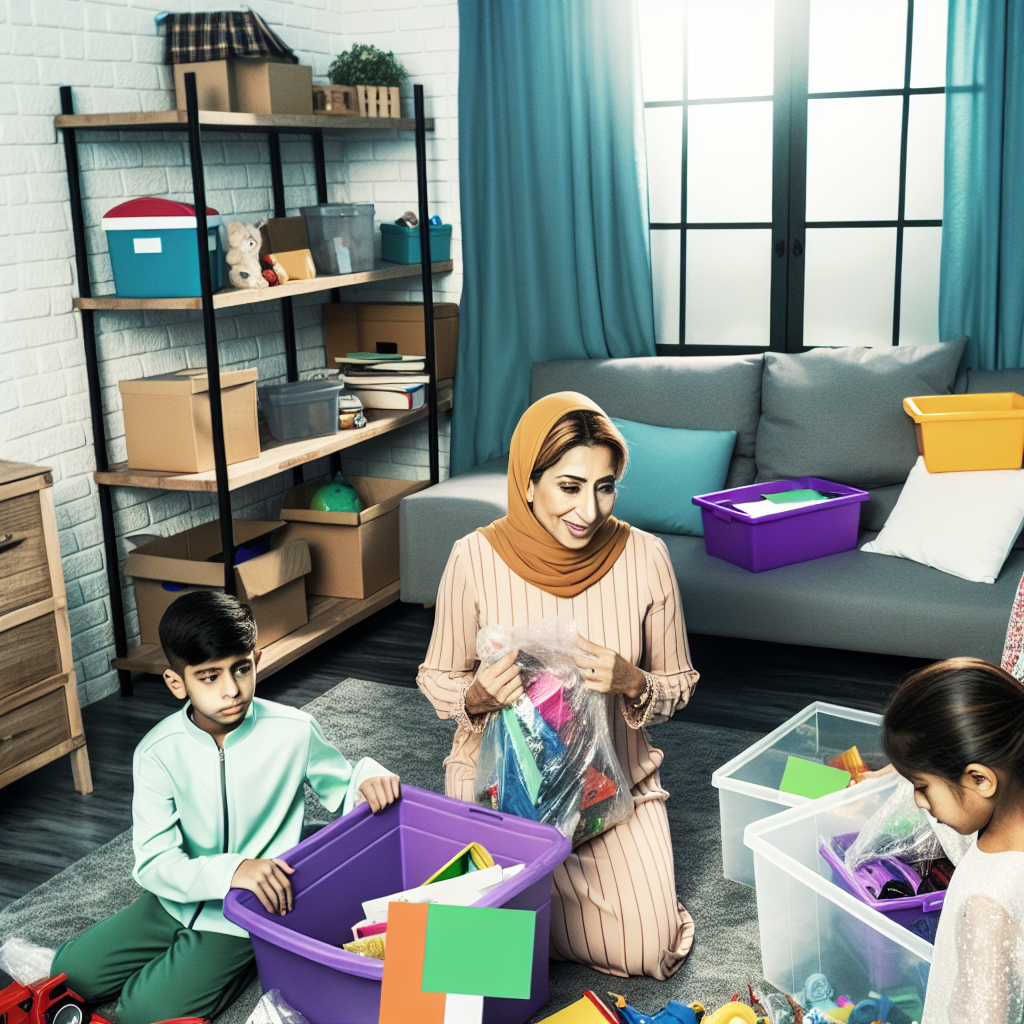
– The four-box method: Keep, Donate, Trash, Maybe. Be merciful with Maybe — seal it and revisit in 30 days. If you didn’t miss it, let it go.
– Photo it: Worried you’ll regret letting something go? Take a picture. The memory sticks; the stuff doesn’t have to.
– Donation logistics: If selling feels like too much work, donate. Schedule a pickup or find a trustworthy drop-off (local shelters, veteran centers, or community libraries often welcome books and household items).
– Trade time for money: Ask how many hours it would take to resell an item versus potential gain. Often donating gives a better return on your time — and your sanity.
Dealing with money guilt and sentimental clutter
We’re wired to attach value to things we paid for and to memories. I definitely kept a dozen items “because they were expensive” only to realize they never improved my day-to-day life. Here’s how to be kinder to yourself while making progress:
– Reframe it: Keeping something because you spent money on it is different from keeping it because it improves your life now.
– Limit “just in case” clutter: Instead of a whole closet full of maybes, build a small, curated emergency kit for genuinely useful odds and ends.
– Honor memories without hoarding: Choose a small box for truly sentimental items. Photograph the rest and let someone else enjoy them.
Using community resources — without the headache
Neighborhood groups and local swap pages can be treasure troves, but they require a little diplomacy. Before posting, check pinned posts or community guides; many groups already list local donation centers and recycling rules. When you do post, be concise and follow group rules. Skip the repeated promotions and flag unkind comments — these spaces work best when they’re supportive.
A realistic 15-minute starter you can actually do today
1. Set a timer for 15 minutes.
2. Grab three boxes: Keep, Donate, Trash.
3. Start with a visible area (kitchen counter, entryway, toy bin).
4. Toss obvious trash straight away.
5. Put anything you haven’t used in a year into Donate.
6. Snap photos of “maybe” things and seal them in a box for 30 days.
7. Schedule your donation drop-off or book a pickup on the calendar so it actually leaves the house.
Keep it kind and realistic
Decluttering isn’t about perfection. It’s about quieter mornings, less stress, and more time for the people you love. Some days you’ll overhaul a closet; other days you’ll throw away one empty yogurt pouch and celebrate like it’s a micro-miracle. Both count. Be gentle with yourself and recognize that tiny wins are doing the heavy lifting over time.
Takeaway
You don’t need a dramatic overhaul to create a calmer home. Start with one tiny action, use simple systems, and lean on community resources when it makes sense. Over time, those small choices add up to more space, less stress, and the freedom to focus on the people who matter most.
What tiny decluttering win changed your day recently — or what fail taught you a lesson about letting go? Share your story so other parents can steal the good ideas (and laugh at the disasters).