# Parenting in Real Life: Navigating Fear, Guilt, and Tiny Milestones
By Rachel Foster — Parenthood Unplugged
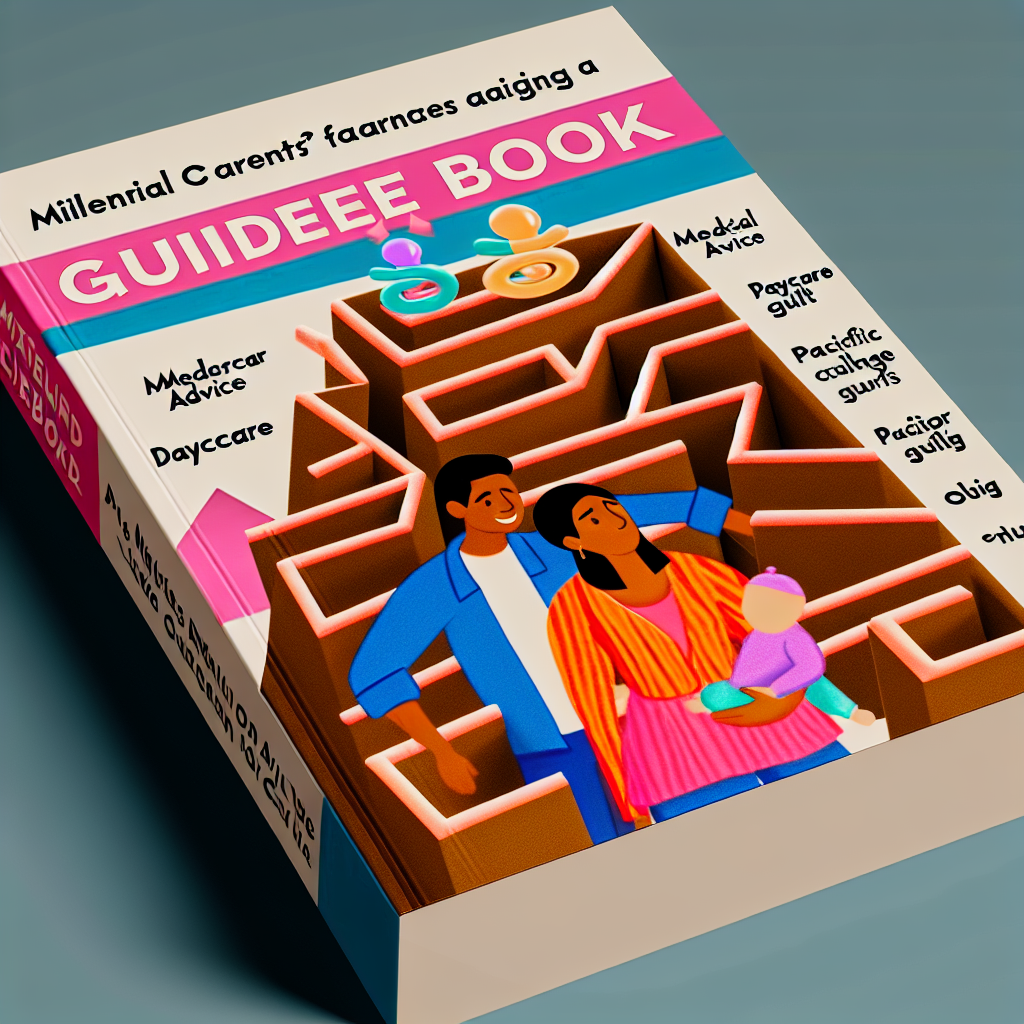
Parenting is a series of small seismic events: the pediatrician says something terrifying, you drop your kid at daycare while your brain narrates a guilt opera, and then — out of nowhere — your toddler ejects their pacifier like a tiny, slobbery mic drop and you sob in the supermarket aisle. If any of this feels familiar, welcome. This is the space where we admit to Googling symptoms at 2 a.m., celebrating stupid victories, and occasionally failing spectacularly (yes, that was snot on the white sweater).
## When your pediatrician says “avoid public” — take a breath, ask questions
A pediatrician telling you to keep a newborn away from public spaces for months can land like a punch. I remember leaving one appointment with my husband, both of us blinking in the sunlight like we’d been handed a very fragile instruction manual. Before you panic or dramatically cancel plans for the next year, try this:
– Ask for the specific reasons. Is this about a local outbreak, community vaccination levels, or an individual medical concern for your baby? Knowing the “why” makes the advice actionable.
– Request a practical plan. What exactly should you avoid — crowded transit, indoor malls, church coffee hours? Are quiet errands early in the morning okay? What are safer alternatives (park bench visits, outdoor playgrounds when empty)?
– Ask about timelines and reassessments. How will the guidance change as the baby gets shots or as the local situation evolves?
– Get a second opinion if you need one. Your family’s comfort matters; doctors are guides, not dictators.
Framing the conversation as a Q&A gives you control and usually calms the panic. A medical caution is not a sentence — it’s a data point you can work with.
## Protecting baby without turning your home into a bunker
I tried the “bubble” approach for a hot minute. It lasted long enough to make me very lonely and very bored. You can be careful without cancelling your life.
– Prioritize risk: avoid large crowds and known outbreaks, but allow low-risk activities like outdoor walks and curbside coffee.
– Limit visitors early and politely ask close contacts to be vaccinated or to wear a mask when they’ll be close to baby.
– Control what you can: hand hygiene, keeping well people away during peak flu season, and not skipping well-child visits.
– Protect mental health: isolation is real. Alternate responsibilities with your partner, schedule safe short outings, or arrange a masked visit from a friend who makes you laugh.
My sanity-saving move was a weekly 30-minute coffee walk with a friend — masked, outdoors, and with zero pressure. Tiny breaks help more than you think.
## Daycare guilt: it’s real — and manageable
The first time I left my daughter at daycare while I had a work-from-home day, my chest felt like someone had left the oven on. Guilt is normal, but it’s not always useful.
– Reframe: daycare is childcare, not punishment. It’s socialization, routine, and developmentally appropriate stimuli — and you deserve a break.
– Use the time intentionally: nap, run errands, or do focused work so the time you spend together after is calmer and more present.
– Build rituals: a short goodbye routine and a welcome-back ritual in the evening helps kids feel secure.
– Talk about feelings: tell your partner or a friend about the guilt — you’ll often hear back relief or validation, not judgment.
One win: I brought home a silly sticker and a 60-second “what did you do today” dance that became our thing. Rituals create predictability for kids and permission for parents to decompress.
## What to ask on a daycare tour (short checklist)
Choosing childcare is huge. These questions helped me cut through the fluff:
– How do you handle illness and outbreaks? What are the exclusion policies?
– Are teachers certified or required to take continuing education?
– Can I see recent inspection reports or violations?
– What does a typical day look like — outdoor time, enrichment, screen use?
– How are naps handled and linens washed?
– What security measures are in place (codes, visitor policies)?
– How do you communicate with parents — app updates, daily notes, photos?
– What’s staff turnover like?
Trust your gut. Clean, bright, engaged caregivers win every time.
## A gentle, successful path off the pacifier
Weaning a toddler off a pacifier was a saga that involved a toddler-sized negotiation, a stuffed animal named Sir Big-Kid, and unexpected tears — mine and theirs. Here’s what worked:
– Start with a story or ritual that frames growing up as exciting (“The Pacifier Fairy comes when you’re ready!”).
– Reduce usage gradually: only nap and bedtime, then bedtime only.
– Offer substitutes: a new pillow, a soft toy, or an extra-long story at bedtime.
– Celebrate wins — big praise for small steps.
– Be consistent but kind about setbacks; two steps forward, one back is still progress.
It took a week of sticky moments and a small chocolate bribe (for me), but it stuck. The triumph felt disproportionately huge.
## Relationships: how to vent without adding fuel
You’ll need safe spaces to vent about partners, in-laws, and daycare drop-offs without starting a nuclear argument.
– Set rules for conversations: no name-calling, focus on behaviors, not character.
– Schedule quick check-ins instead of ambush rants. Ten calm minutes > a half-hour screaming match.
– Use “I” statements: “I feel exhausted when mornings take forever; can you help with breakfast?”
– Step away if you’re too wound up and come back when calmer.
– If patterns keep repeating, consider counseling or a mediator.
We learned that a weekly 15-minute recap — coffee in hand, phones off — kept small annoyances from turning into huge resentments.
## Takeaway
Parenthood is messy, loud, tender, and often ridiculous. You’ll get scary advice, wrestle with guilt, negotiate tiny habit changes, and argue about who forgot the wipes again. Through it all, information, connection, and a generous dose of self-kindness help more than perfection.
What little win or totally avoided meltdown changed your week recently? Share one tiny triumph — or hilarious fail — so the rest of us can laugh, learn, and feel a little less alone.