# Little Wins, Big Relief: How to Survive — and Even Enjoy — the Newborn Months
By Rachel Foster
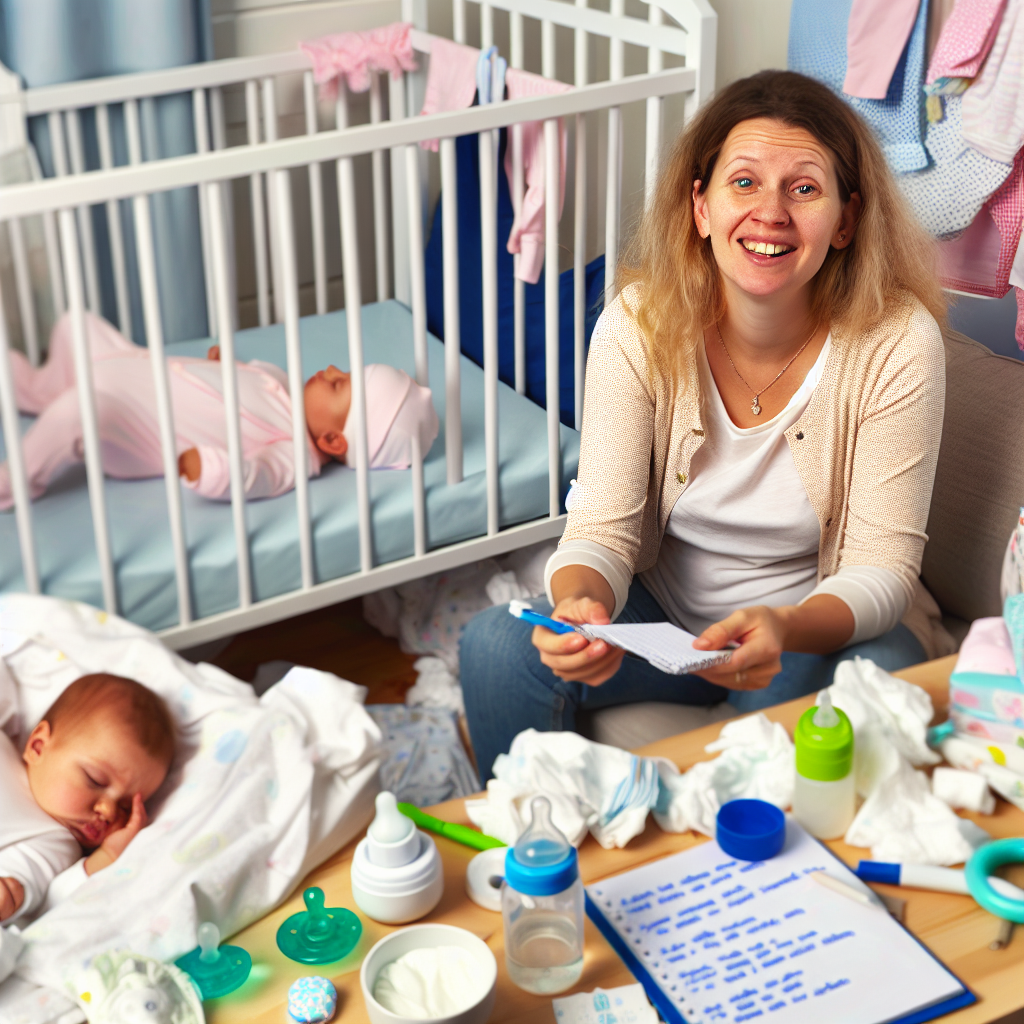
There is a photo on my phone of a sleepy, perfect newborn swaddled like a burrito. Beside it is a video of the same baby projectile-vomiting across a very nice blouse. Both are true, and both live in my camera roll like evidence that parenthood is equal parts miracle and chaos.
If you are in the middle of those first months, you know the scene: days stretched thin, nights that feel like a test of endurance, and the weird dissonance of being utterly responsible for a tiny human while also craving a single uninterrupted conversation with an adult. That gap between the glossy photos and the messy middle is not your fault, and it is definitely survivable. Here are the small, practical things that helped me — and the honest confessions about what still makes me want to hide in the pantry with cold coffee.
## Youre not the only one feeling lonely
Parental leave can feel like stepping off a crowded stage into an echoing hallway. You have a full-time job training a newborn, but there is a lack of adult banter and the only meetings are feedings. That loneliness can dredge up old feelings, too — suddenly you remember being alone in other tough seasons and it all comes back.
What helped:
– Build tiny social anchors. A weekly phone call, a 20-minute walk with a neighbor, or a baby-and-parent class can be a lifeline. They don’t have to be exhausting; they just need to exist.
– Schedule face-to-face time with other adults. Block 30 minutes on your calendar for coffee with a friend and treat it like a non-negotiable meeting.
– Say the feeling out loud. “I feel lonely” is blunt but honest, and it opens the chance for help instead of simmering resentment.
## Talk before resentment builds
Babies test partnerships in ways I could not have predicted. I used to think we could wing it; spoiler: you cannot wing every 2 a.m. burp. Conflict over chores, sleep shifts, and parenting choices is normal. Think of it like a leaky faucet: fix small drips before they become a flood.
Conversation tips that actually work:
– Choose a calm moment to talk. Not mid-cry, definitely not during a diaper blowout.
– Use I statements. “I feel exhausted when…” lands better than “You never…”
– Rotate tasks. Make a flexible division of labor that changes with work schedules and energy.
– Name micro-wins. A sincere “thank you for the middle-of-the-night feed” is cheap but effective.
– Try a short check-in: ten minutes, twice a week. Share one win, one need, and one small request.
## Make routines that work for you — not Instagram
Routines aren’t about being perfect, or having color-coordinated swaddles. They’re about predictability. Even tiny rituals help your brain know what to expect and reduce decision fatigue.
A bath-to-bed checklist that saved my evenings:
– Warm the room in advance so nobody is shivering.
– Lay out everything before you start: towel, pajamas, diaper, wipes, lotion.
– Have the post-bath feed ready if that’s the usual pattern.
– Make the end gentle: dim the lights, cuddle for a minute, sing or read a short story.
You’ll still have nights where nothing goes according to plan. That’s okay. The routine is the scaffolding, not the whole house.
## Weaning the pacifier — be team gradual
When I decided it was time to ditch the pacifier, I imagined a noble single-day victory. In reality, we took tiny steps and celebrated like we’d climbed Everest when the paci stayed out for one nap.
A gentle approach:
– Start with stories: big-kid books or role-play that show kids without pacifiers.
– Set limits first (only in bed), then reduce more gradually.
– Offer a special replacement: a soft toy, a new pillow, a “big kid” bedtime item.
– Celebrate small wins with enthusiasm. Tiny victories deserve fanfare.
## What’s really hard — and how to handle it
There are recurring hurts in new parenthood: sleep deprivation, feeding struggles, the physical toll of recovery, identity shifts, and that tiny voice that says youre failing. You cannot fix everything at once, but you can build habits that slowly restore your reserves.
Practical coping tactics:
– Prioritize sleep where possible. Nap when the baby naps, trade night shifts, and accept help without guilt.
– Seek nonjudgmental feeding support. Lactation consultants, supportive forums, and health visitors can make a huge difference.
– Take micro-self-care seriously: five-minute breathing breaks, a quick shower with a favorite podcast, or a coffee outside alone.
– Outsource tasks. Use grocery delivery, hire cleaning help, or swap chores with other parents.
## The juggling act — work, identity, and sanity
If you’re returning to work or trying to work from home, the tension is real. You are learning to be a caregiver, an employee, possibly a partner, and a person who still likes weird old hobbies. You will drop balls. Some of them are fine to leave on the floor.
Try this: pick one non-negotiable for the week — a thirty-minute walk, one child-free phone call, a shower that isn’t stealthy — and protect it. Tiny consistent acts of self-respect rebuild your sense of self, which helps when everything else feels messy.
## Takeaway
The newborn months are intense because they matter. They will test your patience, your relationship, and your wardrobe, but they also hold a lot of tender, ridiculous moments. Small routines, honest conversations, and celebrating tiny wins turn survival into something softer.
I still have days when I look at that perfect newborn photo and laugh at the reality behind it. We’re not aiming for perfection. We’re aiming for enough: enough sleep, enough help, enough connection to feel human.
What’s one small win you had this week, or one tiny change you’re willing to try next, and how did it go (or how do you imagine it will)?