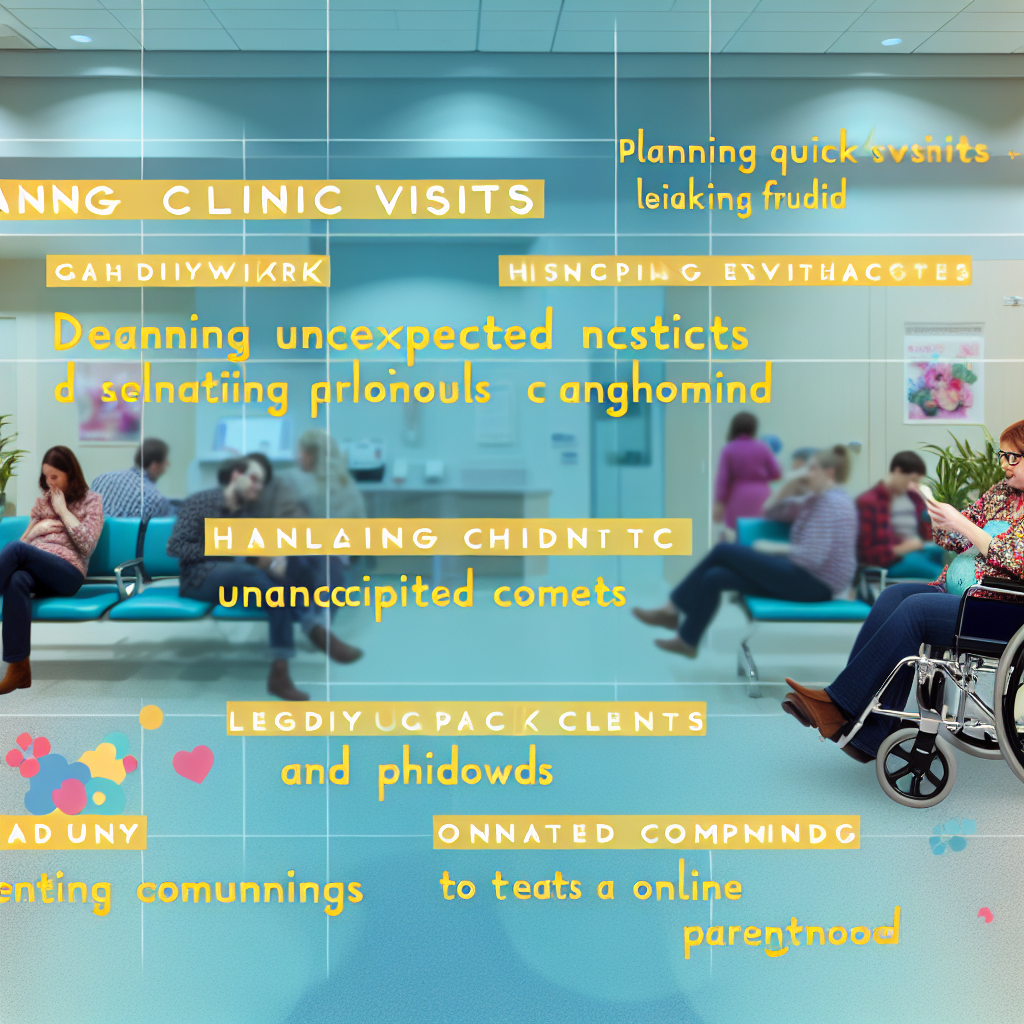
# Bring a Buddy, a Pad, or a Wheelchair: A Millennial Parent’s Playbook for Appointments and Online Support
Pregnancy and early parenthood are gloriously chaotic: short clinic visits, a rogue gush of fluid when you’re wearing white, and scrolling support groups at 2 a.m. like it’s a strange second job. I’ve cried in waiting rooms, laughed at ridiculous baby-name threads, and yes — used a wheelchair home two days postpartum because my legs and dignity were both out of commission. This is the real playbook: practical, empathetic, and with enough humor to get us through.
## Plan your appointment like a pro
Routine prenatal visits are often deceptively short. That’s not bad — it just means you need to come prepared.
– Know your priorities. What must happen in this visit? Heartbeat check? A question about pain? If your partner wants to come for emotional backup, pick a time that limits time off work. If they can’t attend, that’s fine — plan a five-minute debrief after.
– Pack a tiny survival kit: comfy clothes, maternity pad or an extra pair of underwear, a water bottle, phone charger, and toddler gear if you’re bringing the little one (wipes, snack, a quiet toy that will inevitably be loud). A zippered pouch with these saves micro-disasters.
– Call ahead. If you need more time, mobility help, or a private room for feeding/changing, ask. Clinics can often smooth things out if they know in advance instead of improvising while you’re already juggling a cranky kid.
Real-life fail: I once brought a toddler, a leaking sweater, and zero snacks to a 10-minute check and left looking like I’d lost a wrestling match. The lesson: pack snacks, and don’t be ashamed to ask for help.
## When the leak won’t stop: trust your instincts
A sudden wetness is terrifying. Is it pee? Amniotic fluid? Either way, take it seriously.
– Don’t wait. Continuous leaking or a big gush = call your care team or head to L&D. It’s better to be checked and embarrassed than to miss something.
– Bring a pad and a change of clothes. If you get sent home, you’ll be grateful to not sit in soggy fabric.
– Know the signs of ruptured membranes: constant leaking, a sudden gush, fluid that’s clear or slightly tinged, or something that feels different from a usual bathroom mishap.
Pro tip: keep a spare pad and underwear in your bag at all times after 34 weeks. It’s cheap insurance for your composure.
## It’s okay to use the wheelchair (or ask for a chair)
Two days postpartum and walking like you’ve been run over by a stroller full of toddlers? That’s valid.
– Ask for help. Wheelchairs and rolling chairs are there for anyone who needs them. You do not need to be “disabled enough” — you’re recovering.
– Use accommodations without guilt. Stitches, pain, and exhaustion are real. Staff expect to help; it’s their job.
– If you feel silly, a short explanation works: “I can walk, but I don’t want to risk my stitches.” Most clinicians respond practically and kindly.
Win: I accepted a wheelchair after my C-section and saved my energy for the postpartum hug that really mattered. Fail: I once tried to walk to the car because I thought I’d “look weak.” Spoiler: I looked exhausted instead.
## When a provider’s joke lands wrong
Clinicians sometimes use humor to break tension. When it lands on you poorly, you get awkward.
– Call it out gently: “That made me a bit uncomfortable” is a neutral, effective line.
– Consider context. If it’s a one-off, a quick boundary might be enough. If it’s ongoing or dismissive, bring it up with clinic leadership.
– You can ask for a different clinician. Comfort and trust matter in every visit.
## Navigating online pregnancy and parenting communities
Online groups are lifelines — but they have house rules.
– Post in the right place. Many groups have threads for bump pics, birth stories, or swap posts. Use them so the feed stays helpful.
– Don’t use open forums for medical diagnosis. If you’re worried about leaking fluid or worrying symptoms, call your provider or L&D. Online empathy is great; medical decisions deserve clinicians.
– Protect privacy. Avoid sharing personal details (addresses, full names, minor-identifying info). Scammers exist.
– Use pinned resources and wikis. Most groups have FAQ threads and hospital bag checklists that answer 80% of your random 2 a.m. questions.
– Respect moderators. They keep things civil and useful. If rules annoy you, remember they exist to protect the community.
Win: I found a local stroller-walking group that turned into real friends. Fail: I once asked a detailed medical question in a meme thread and learned the hard way where to post.
## Partners: show up in your own way
Not everyone can attend every appointment, and that’s okay.
– Conversation > presence. If your partner misses a visit, a short call or screenshot of notes brings them in.
– Prioritize the big ones: ultrasounds, major scans, and results visits are worth rearranging schedules for when possible.
– Small rituals help. A coffee after an appointment, a five-minute check-in, or a shared voice note can keep connection steady amidst the chaos.
## Balance, boundaries, and a little grace
Parenting isn’t performance art — it’s messy, beautiful, and full of improvisation. Set boundaries on what you’ll do, and what you’ll let go of. Say no to extra obligations when you need rest. Celebrate the tiny wins (you made it to the appointment, you didn’t cry in the waiting room, you remembered snacks) and normalize the fails.
I’ve learned that showing up is the hardest, most heroic thing. Whether you bring a buddy, a pad, or accept a wheelchair, you’re doing the work. The people in the clinic and the strangers in the forum? Many of them are rooting for you.
What’s one appointment-day hack that saved you — or one appointment disaster you now laugh about? Share it here so the rest of us can add it to our emergency bag.