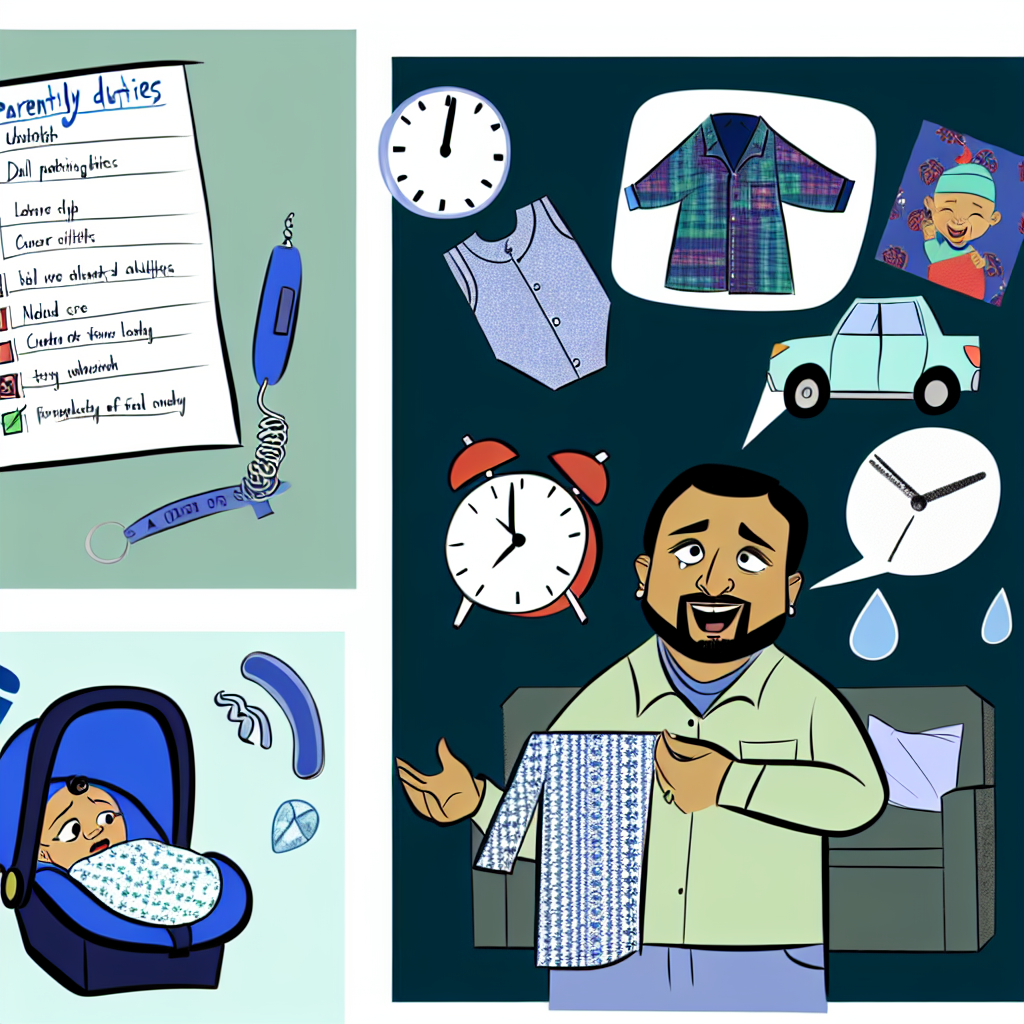
Becoming a parent is at once the smallest and biggest thing you’ll ever do. There’s a checklist you can download, an army of unsolicited advice, and an equal-opportunity flood of feelings—joy, exhaustion, awe, and sometimes grief or shame. I call this period Dad Mode: part hero, part snack-fetcher, part human blanket. If you’re about to step into it, or you’ve already packed the car seat and wondered what comes next, here’s an honest, slightly messy guide from someone who’s gone from terrified rookie to slightly more confident (but still very sleepy) parent.
## Be in the room (for real)
You’re probably tired of hearing it, but showing up matters. Ultrasounds, prenatal visits, lactation consults—even the classes you think are optional—are where the tiny practical things live. I remember sitting through an infant-CPR class and thinking, ‘I hope I never need this,’ only to realize that five months later, knowing those basics turned panic into action.
Ask questions out loud. Your partner isn’t the only one who needs answers. Doula? Meet one early if you can. They’re not a spa luxury; they’re a steadying force in a chaotic moment. Have a plan, but be ready to flex—birth plans are helpful maps, not guarantees.
## Pack your go-bag and master the car-seat game
Install the car seat weeks before D-Day. Hospitals will make you show it’s secure, and surprise: nothing tests a new parent’s patience like a last-minute car-seat puzzle at the hospital parking lot.
Go-bag essentials I actually used:
– Phone charger and power bank
– Comfortable clothes for both partners (labor gets messy)
– Snacks and chewing gum (hard to eat during contractions, but try)
– Spare outfit for baby (0–3 months—trust me)
– Allergy or medication notes for mom
– Dads: an extra shirt you don’t care about; you’ll take spit-up like a badge of honor
Local fire stations and hospital safety programs often inspect car seats for free. Use them.
## Gear that actually helps (and what to skip)
Not every baby gadget is a life-saver. Buy the things that fit your lifestyle and your body. If you love morning walks, get a carrier you enjoy wearing. Live in a city with rough sidewalks? A sturdy stroller matters. Two waterproof mattress covers are a small, brilliant investment.
My shortlist:
– A comfortable carrier for hands-free naps and grocery runs
– A stroller suited to your terrain
– Two good crib sheets and a fast laundry rotation
– One swing or bouncer that genuinely buys you 10–15 minutes of calm
– A reliable thermometer and a small medicine kit recommended by your pediatrician
Skip impulse buys on the weekend you’re sleep-deprived. Open-box deals and gently used items can be excellent.
## Feeding, sleep, and those first messy nights
Breastfeeding is often harder than the photos make it look. Use lactation consultants early. If you bottle-feed, test different nipples—babies are picky and that’s okay. Find a feeding rhythm that fits your family, not just a schedule in an app.
Sleep advice is everywhere and also contradictory. Here’s what helped: sleep when you can, trade nights with your partner when possible, and carve out a flexible plan for sleep training so it doesn’t feel like a moral failing if you have to pivot. White noise, predictable bedtime cues, and a solid swaddle routine can steady things.
When the crying gets to you, put the baby safely in their crib and step outside for a minute. Take deep breaths. You’re allowed to need a reset.
## Protect your relationship
One of the fastest ways to make home miserable is letting resentment grow. Small, weekly check-ins are nonsexy but essential. Ask: what worked this week? What didn’t? Who slept more? Who needs a solo coffee? Protecting one date night a month was the baseline that kept my partner and me from turning passive-aggressive about diaper duty.
Book little solo breaks for each other—30 minutes of sanity can feel like a small miracle. Also, have one friend or sitter you trust so you can get out for an actual meal without reheating a frozen pizza in the car.
## Handle the emotions—especially grief
We talk a lot about joy and exhaustion, but not enough about the complicated losses that sometimes come with new life: lost time, a career pause, someone who can’t be at the hospital. It’s okay to grieve alongside the delight. Small rituals—putting a photo on the bedside table, saying a name out loud, or carrying a memento—help make space for both feelings.
Reach out. Support groups, therapists, or even an honest thread online can normalize the strange mix of grief and joy.
## Laugh when you can (because you will)
Parenthood is full of ridiculous moments. You will get comfortable telling the same joke. You will have your first public diaper change in a place you’d never imagined. My inaugural public change happened in a dealership under plastic seat covers while a sales rep pretended not to watch. Those things become the stories you tell at 2 a.m. feeds.
Dad-jokes are a coping mechanism. Lean in.
## Safety first
Learn infant CPR and choking response. Lock up meds and cleaning supplies. Save your pediatrician and insurance advice-line numbers in your phone where you can find them with one thumb. Prevention saves panic later.
## Takeaway
Parenthood is messy, sweet, exhausting, and occasionally hilarious. Show up to the appointments, pack the go-bag, get the car seat installed, and buy the spare crib sheets. Protect your relationship with small, regular check-ins. Let yourself grieve what’s ended while you celebrate what’s begun. Ask for help, laugh at the small defeats, and know that perfection is a myth—consistency and presence matter far more.
I’ll leave you with a question I ask other parents at late-night playdates: what’s one survival tip or ridiculous parenting fail that ended up teaching you something? Share it—your story might be the lifeline another new parent needs tonight.