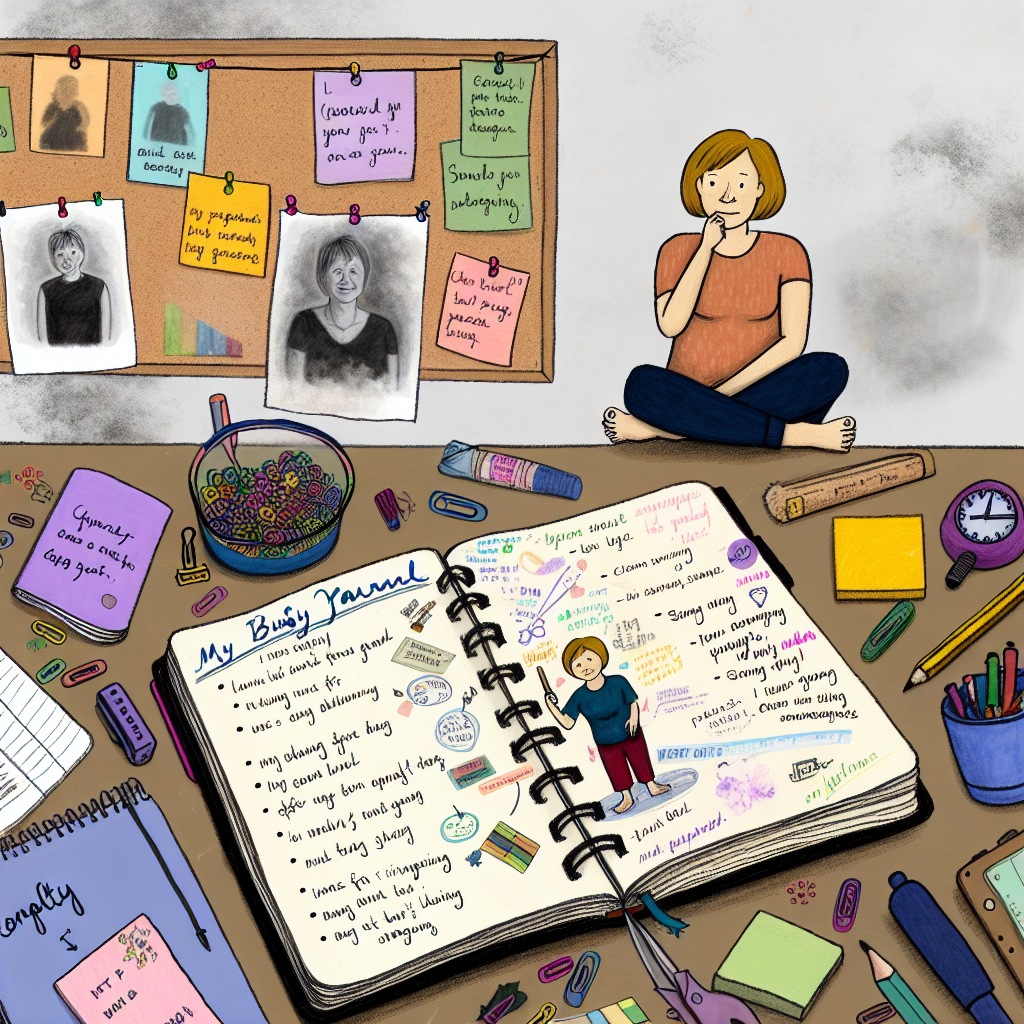
# Bullet Journaling for Busy Parents: Practical Creativity That Actually Fits Your Life
You want a planning system that’s useful, pretty, and — let’s be honest — realistic for your schedule. Bullet journaling can do all three, but it doesn’t have to be a time-sucking art project. Whether you’re just curious, secretly hoarding stationery in a drawer, squeezed for time between pickups and emails, or thinking ahead for worst-case scenarios, there’s a version of journaling that works for your family. Here’s a friendly, practical guide to making a bujo (or any paper planner) feel like an honest partner in parenthood — not another thing to feel guilty about.
## The moment I stopped feeling like a failure
Last spring my toddler smeared peanut butter across a page I’d spent a blissful 45 minutes decorating. I cried for thirty seconds (because aesthetic loss is real), cleaned it up, stuck a sticker over the worst of it, and kept going. That—more than a hashtag or a perfect flatlay—was the point: the journal had to survive my actual life.
If you’re reading this while balancing a diaper, a grocery list, and a work calendar, take a breath. Your bujo doesn’t need to be a craft fair submission. It needs to help you get dinner on the table, remember the dentist appointment, and capture that ridiculous quote your kid said in the backseat.
## Start simple: two quick questions
Before you buy your first pretty pen, ask: What do I actually need this journal to do? And how much time can I realistically give it?
If your answer is “brain dump, calendar, and occasional memory-keeping,” skip the Pinterest spreads. Focus on repeatable layouts:
– Monthly calendar (big-picture dates and events)
– Weekly to-dos (transfer the must-dos, ditch what’s not essential)
– A nightly one-line highlight (easy memory-keeping)
If creativity is your recharge, schedule it. Maybe one hour after bedtime once a week, or a monthly afternoon where you make spreads you love. The goal is usefulness, not perfection.
## Toolkit without the overwhelm
You do not need 48 highlighters. You need a few reliable tools that won’t make you feel bad when kids touch them.
Essentials I actually use:
– A sturdy dotted notebook (stays open, hides coffee rings better than I expected)
– Two pens: one fine for lists, one bolder for headings
– A small ruler and scissors (for sticky-note tricks)
– A handful of neutral stickers and 1–2 washi tapes
– Sticky notes for temporary tasks and grocery lists
Rule I live by: one small stationery haul per month. It keeps my craft hoarding in check and gives me a reason to use what I already own.
## Time-budgeting that respects nap schedules
Parenting time is chopped into weird pockets — five minutes between school run and snack time, forty-five minutes before a zoom. Design rhythms around those sprints.
Three realistic approaches:
– The 10–15 minute weekly reset: quick habit tracker, meal plan, and a brain dump. Perfect for chaos weeks.
– The 45–90 minute decorative session: a calmer week you can treat like self-care — tea, a playlist, and one focal doodle.
– The monthly creative afternoon: longer, restorative time to plan a theme, add photos, or fiddle with layouts.
Pro tip: Set a timer. You’ll be amazed at how much you can do if you give yourself a limit instead of endless perfection time.
## The emergency spread: paperwork you’ll actually want to use
Make this page, update it, and tell one trusted person where it is. If the idea of sensitive info on paper freaks you out, create an encrypted digital note and reference its location in your journal.
Include:
– Where to find important documents (birth certs, wills, insurance)
– Medical notes, allergies, and any daily meds
– Work and childcare contacts, plus employer/insurance numbers
– How to unlock devices (where backup codes live)
– Short, practical care instructions: nap routines, favourite calming tricks, and where spare keys are kept
I once had a sitter show up early and ask where the peanut butter was. A one-liner on the emergency spread about “peanut butter is in upper pantry, not the fridge” was the MVP of that week.
## Themes and memory-keeping the kids will actually like
You don’t need to reinvent the wheel each month. Pick a theme and repeat elements so spreads feel cohesive without extra effort.
Ideas that stick:
– A simple color palette (soft green + blush, navy + mustard)
– A weekly “kid highlight” box: one quote, one small sketch, or a sticker
– Family activity tracker with one checkbox per week (nature walk, storytime, craft)
– A monthly photo strip with tiny captions — print at home or tape in a Polaroid
These become a real archive. Years from now you’ll flip back and laugh at the bad handwriting and good jokes.
## Wins, fails, and the middle ground
Win: My weekly 10-minute reset once stopped me from double-booking two PTO days and a dentist appointment. I felt like a scheduling superhero.
Fail: I once spent three hours making a spread for “the perfect month” only to realize I’d scheduled zero time for my partner’s birthday present. Aesthetic didn’t save me.
The middle ground is where most of us live: functional layouts with a few moments of creativity. If a spread looks like a delightful to-do list, it’s doing its job.
## Keep it shared, not secret
If you like sharing, batch it. One monthly “favorites” post (supplies + flatlay) is less pressure than daily updates. For private sharing, snap photos into an album. It’s faster and less performative than remaking a spread for social media.
## Final takeaway (and a tiny challenge)
Bullet journaling for parents should be supportive, not another item on the guilt list. Pick a few must-have pages, limit shopping, protect an emergency spread, and choose a rhythm that actually fits your life — even if that rhythm changes week to week. Let your bujo be both a tool and a tiny refuge: a place to plan, remember, and breathe.
What’s one small journaling habit you swear by (or tried and dumped)? Tell me the win or the glorious fail — let’s commiserate and celebrate together.