# Why less stuff feels like more sanity
If you’ve ever stepped on a Lego at 3 a.m., sworn at a rogue sippy cup, or found last year’s Halloween costume in a drawer labeled “school papers,” you know the particular chaos parenting brings. Kids multiply stuff faster than laundry piles — and they don’t care about your feng shui. I don’t either. What I care about is less stress and one fewer trip to the storage unit.
Here’s the thing: decluttering doesn’t have to be a full-on, emotionally fraught weekend. It also doesn’t have to be perfect. The trick that saved my sanity (and a few of my toes) was tiny, steady wins. Little actions you can do between feedings, conference calls, and bedtime stories add up to actual relief.
## Start with “just one thing”
If the thought of decluttering launches you into analysis paralysis, give yourself permission to do one tiny thing. Today I threw away an empty wipes packet and felt like I’d won the lottery. Other days I’ll clear a drawer or donate a single toy. Some days that’s all I manage — and that’s fine. Those micro-victories add up.
Why this works:
– It reduces the friction of getting started.
– It turns decluttering into a habit, not a marathon.
– It gives tangible wins you can celebrate between feedings and naps.
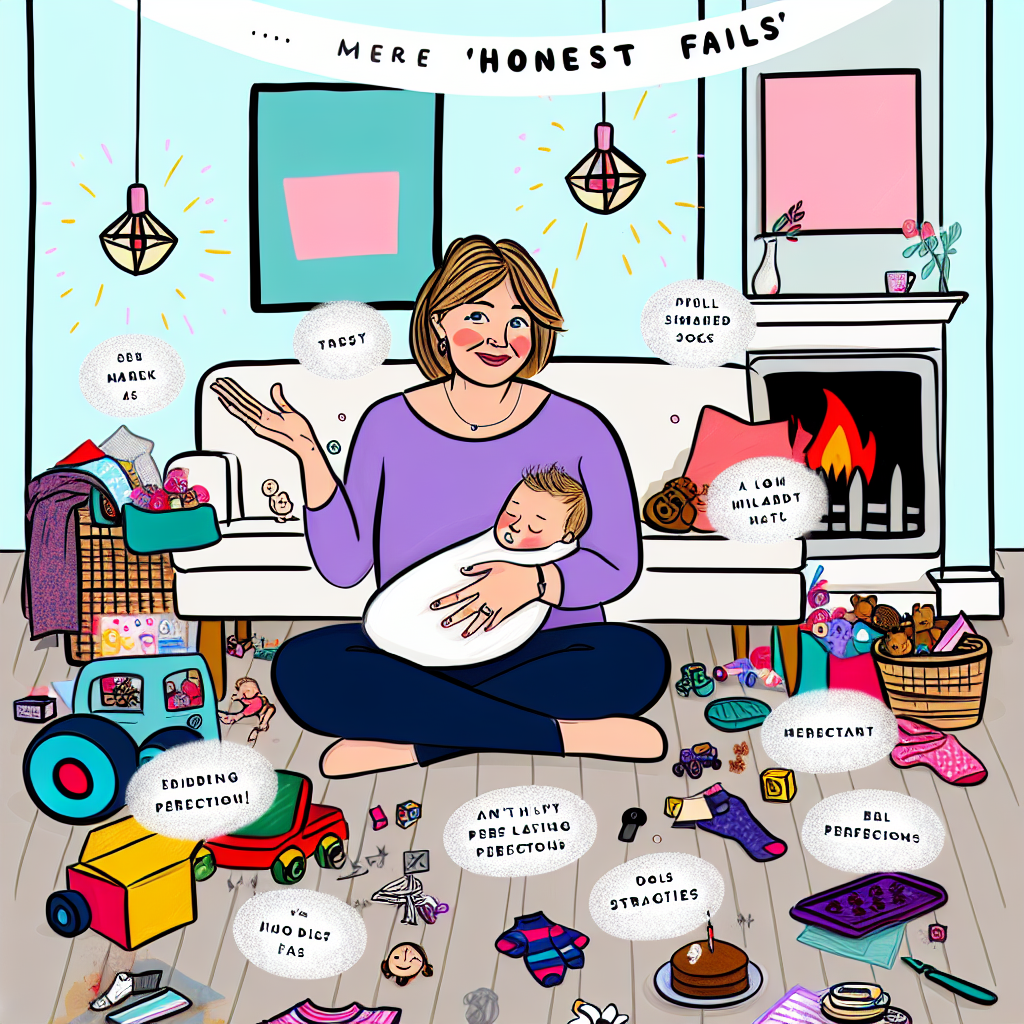
A real-life fail: I once vowed to clear the playroom and instead “organised” everything into prettier piles that lived under the couch for six months. Progress isn’t linear — celebrate the small stuff and forgive the detours.
## Make decisions faster with rules you can live with
Indecision is decluttering kryptonite. I use rules so decisions don’t require a therapy session.
– If you haven’t used it in 12 months, let it go.
– If it’s damaged or stained, it’s trash.
– If keeping it costs money (storage, repairs), weigh that against the benefit.
Short experiments help too: box up things you’re unsure about, date the box, and stash it. If you didn’t open it in three months, donate or recycle it guilt-free. Photograph sentimental items before letting them go — you keep the memory without the shelf space.
A tiny nudge that helped me: pack a bag without overthinking and put it straight into the trash. That instinct to act without second-guessing comes from practicing quick decisions — and yes, it’s liberating.
## Tackle the big stuff like a pro
When clutter has piled up over years or after a life event (a move, divorce, a child leaving for college), it can feel insurmountable. Break it into zones and timelines:
– Day 1: Paper pile — keep important documents; recycle the rest.
– Day 2: One closet or a set of shelves.
– Day 3: Create a donate-ready box and a trash-ready bag.
If you’re clearing a storage unit or attic, bring a plan: recruit a friend, rent a truck, map donation stops, and make a “keeper” pile for truly special things. One family I know downsized and saved hundreds a month — and reported feeling lighter emotionally, too.
## Where to donate and when to sell
Deciding whether to sell or donate can stop everything in its tracks. If selling feels like too much hassle, donate. Local veterans’ centers, shelters, libraries, and community resale shops love books, toys, and household items. For higher-value stuff (designer gear, high-end strollers), set aside a “sell” pile and schedule a weekend to list them online.
Before you drop anything off, check donation guidelines. Many organizations can’t accept certain items; a quick call or website check saves time and frustration.
## When guilt or money worries get in the way
Parents cling to things because of sunk-cost thinking: you paid for it, so maybe you’ll need it someday. Two practical ways to combat that:
– Reframe: money spent is money used if the item gave you value at the time.
– Try a three-month hold box for items that scare you. If you don’t use them, let them go.
For sentimental things, one meaningful box or a few photographed mementos can replace shelves of stuff. Passing items to family can also be comforting — and it keeps things in loving hands.
## Bring the family on board
Get the kids involved in age-appropriate ways: five minutes to “choose three toys to donate” can be a fun challenge, and sticker rewards help. Letting kids pick what to keep teaches decision-making and generosity. For partners, schedule a ten-minute weekly “deal or donate” ritual to keep clutter from becoming a battleground.
I once turned a donation run into a mini-adventure: snacks in the car, two stops, and celebratory ice cream. It reframed the act from loss to a family good-deed mission.
## Keep it sustainable
Decluttering isn’t a one-off. Tiny habits keep the momentum going:
– A nightly 5-minute tidy where everyone pitches in.
– One donation bag in the closet — when it’s full, drop it off.
– A monthly “one drawer” reset.
The goal isn’t perfection — it’s fewer items underfoot, fewer decisions later, and a quieter mind.
## Quick starter plan (3 steps)
1) Do one tiny thing right now — toss an empty wrapper or clear a drawer.
2) Box three sentimental items you’ll truly miss and date it for three months.
3) Fill one donation bag this week and schedule the drop-off.
## Takeaway: Start small, think big
You don’t need a weekend-long purge to regain calm. Start with one tiny action, make clear rules for faster decisions, and break bigger jobs into bite-sized plans. Use donations and digital keepsakes to ease guilt. Fewer things doesn’t mean less love — it often means more space for the people and moments that actually matter.
I’ll finish with a win and a fail: yesterday I found a forgotten donation bag and felt victorious. Last week I unboxed a “maybe” pile and re-cluttered my hallway in one afternoon. Both are true, and both are okay.
What small toss changed your home — or what’s your funniest clutter fail? Share your story — I’d love to hear how you make tiny wins fit into real life.