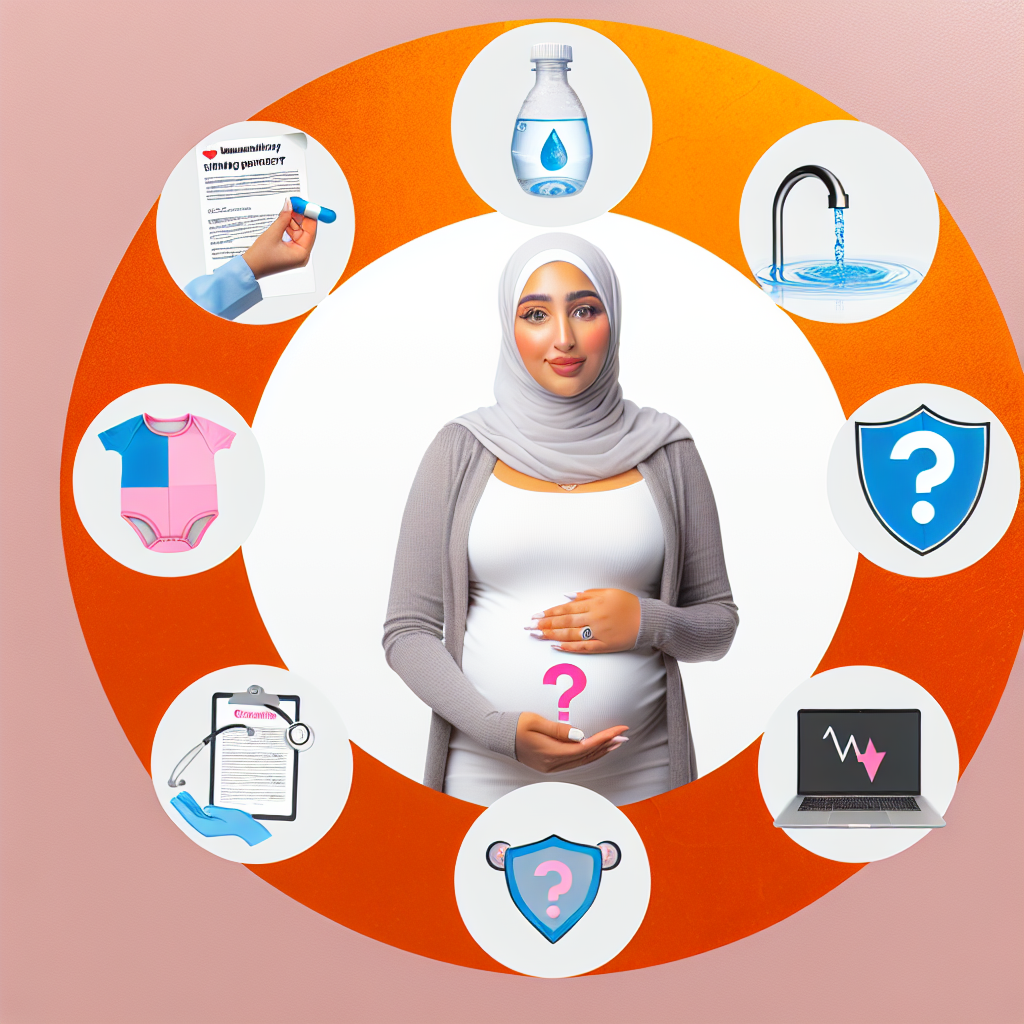
# Pregnancy Real Talk: What to Panic About — and What to Breathe About
Pregnancy comes with a nonstop stream of advice, warnings, and “what-ifs” — much of it arriving at 2 a.m. when your brain is doing cartwheels. If you’re a millennial parent or part of a young family, you’ve probably felt equal parts overwhelmed and determined to do everything right. The good news: a lot of the fear is manageable with clear steps, a trusted clinician, and a little community solidarity.
Below are five real, common pregnancy worries — distilled from the kinds of posts parents share when they need help — with practical steps and emotional support so you can move forward with less panic and more power.
## The 2 a.m. Tylenol Panic
My third pregnancy I woke up feverish at 3 a.m., panicked that I was somehow both a slob and a chemical threat to my unborn child. Google threw 12 different dramatic headlines at me, and my partner suggested a cold compress like it would be a spa day. Major obstetric organizations generally consider acetaminophen (Tylenol) safer than many other pain relievers when used correctly — but headlines love nuance-free scares.
What to do:
– Talk to your OB or midwife about dosage limits for your specific pregnancy. Everyone’s history is different.
– Never exceed the recommended daily amount. Set a phone reminder if you’re dosing often.
– Treat fevers promptly — high, untreated fevers can be riskier than short-term acetaminophen use.
– If a study goes viral, bring it to your clinician and ask, “What does this mean for me?” Studies vary wildly in quality.
Win: I dosed once, slept, and felt human the next day. Fail: I read three fear-mongering headlines before calling my provider. Lesson: moderation + your clinician are your friends.
## Lead in Tap Water: Immediate Steps That Don’t Require a Law Degree
When your municipality sends a notice that a sample was over limits, your brain does that “oh no” loop. First thing: breathe. Testing your blood is the correct immediate step — it tells you whether the body has been impacted.
Action checklist:
– Stop drinking unfiltered tap water immediately. Use bottled water or a pitcher filter certified to remove lead for drinking and cooking.
– Run cold water for a minute before using taps that haven’t been used for hours; never use hot tap water for drinking (hot water leaches more lead).
– Contact your city water department for details and remediation options. Many places have lead-line replacement programs or testing resources.
– Keep detailed records of communications and tests. If accountability is needed, legal help is an option.
Emotionally: call your clinician, text a friend, and make a plan. Uncertainty is the worst part; concrete steps help.
Win: I installed a certified filter that made morning coffee feel like a win. Fail: I briefly considered boiling the water (not helpful for lead). Lesson: practical fixes beat panic.
## Waiting for the Gender Reveal: It’s Okay to Want the Surprise
Some families plot nursery palettes around a confirmed gender; others want the delivery-room gasp. If the idea of not knowing makes you giddy, go for the surprise. If it gives you cold sweats, plan and peek.
Practical stuff if you’re waiting:
– Tell your sonographer ahead of time to avoid accidental spoilers.
– Decide with your partner how to handle nosy relatives and social media spoilers.
– Have a plan for well-meaning friends who sneak selfies at appointments.
Win: Our partner announced it in the OR and my heart exploded. Fail: My cousin live-texted the wrong emoji and almost ruined it. Lesson: boundaries + a plan = savoring the moment.
## A Positive STI Result Late in Pregnancy: What to Do First (and How to Care for Yourself)
Late-term STI news is jarring and can feel like betrayal, shame, and medical jargon all at once. The solid truth: many infections are treatable during pregnancy, and confirmation testing is critical.
Next steps:
– Follow up with your clinician for confirmatory tests and safe treatment options.
– Ask for a full panel if anything feels off, and encourage your partner to get tested and treated too.
– Keep documentation and talk to your provider about delivery implications and neonatal precautions.
– If this news triggers safety concerns or financial vulnerability, reach out to social services, DV hotlines, or community organizations. You don’t have to go it alone.
Emotionally: name the feelings (anger, grief, confusion) and let someone sit with you — a partner, friend, or counselor.
Win: treatment was straightforward and I slept. Fail: I spiraled through hours of internet horror stories before calling my provider. Lesson: professional guidance beats self-diagnosis.
## Online Safety When You’re Vulnerable
When you’re pregnant, tired, or in a rocky relationship, online spaces can feel like lifelines — and sometimes predators notice vulnerability like it’s a neon sign.
How to stay safe:
– Never send personal photos, banking info, or identifying documents to strangers.
– Trust your gut: if someone pressures you for money or weird favors, block and report.
– Use private, moderated groups for support and avoid oversharing on public feeds.
– If you’re in crisis, prioritize local hotlines or community resources over strangers online.
Win: I found a moderated moms’ group that saved my sanity. Fail: I engaged with a sketchy DM who later spammed my inbox. Lesson: privacy settings and boundaries are self-care.
## The Big Takeaway (AKA: Deep Breaths, Then Action)
Parenthood throws curveballs: scary headlines, municipal notices, emotional shocks, and awkward internet encounters. You don’t have to make sense of everything alone. When fear strikes, pause for basics: call your clinician, take immediate practical steps (filters, tests, confirmations), document communications, and lean on your chosen support network. Small actions move you from helplessness to agency.
And because parenting is messy and often hilarious: be kind to yourself when you overreact at 3 a.m. — you’re not failing, you’re human. Celebrate the small wins (you filtered the water, you asked the tough question, you set a boundary). Normalize the fails. Share them. Laughter and honesty are healing.
So I’ll leave you with the part I always want to know from other parents: what tiny step (or glorious fail) helped you move from panic to “okay, manageable” during pregnancy? Share it — your mess could be someone else’s map.