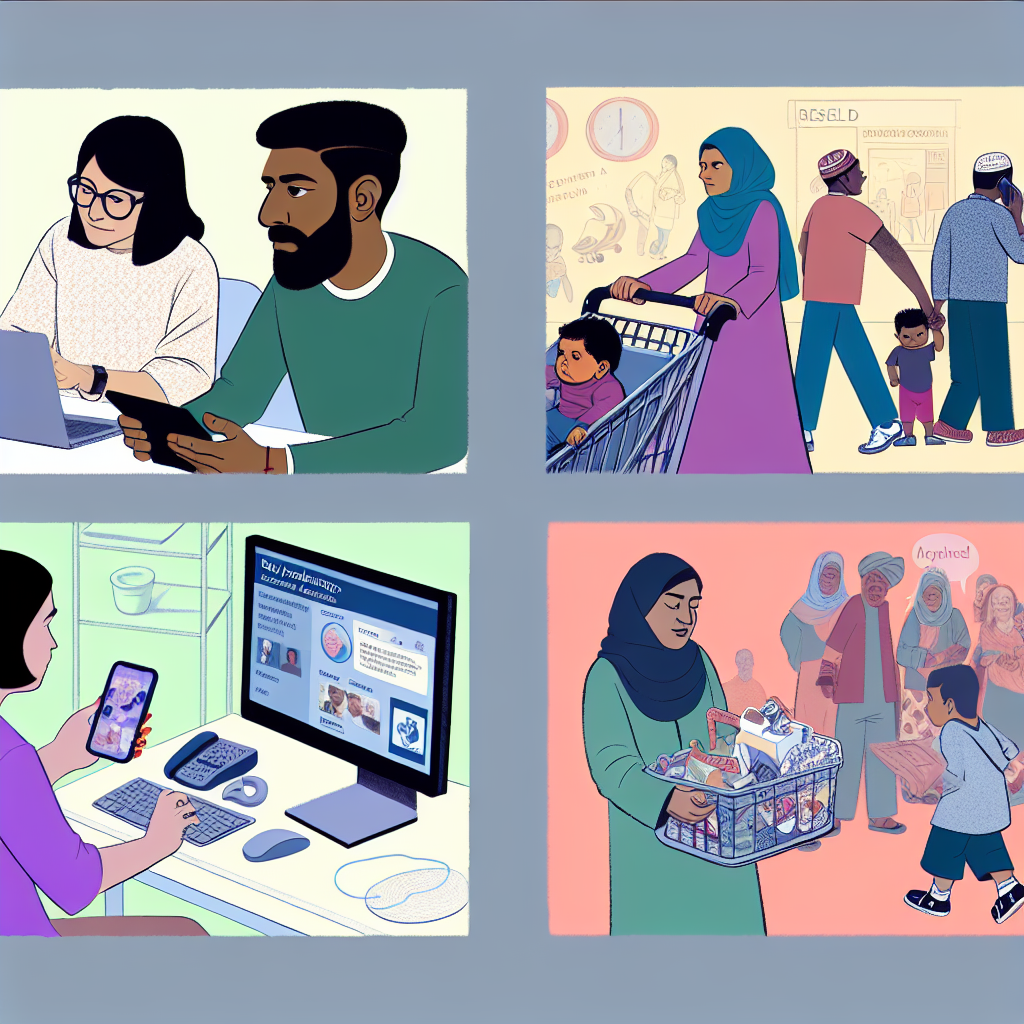
# Protecting the Firsts: How to Set Boundaries with In‑Laws, Handle Marketplace Manners, and Use Your Online Village Wisely
You’re not alone if you’ve cried into your pillow after a holiday, watched a grandparent swoop in for your child’s “first” moment, or felt queasy seeing free baby formula listed for resale online. Millennial parenting comes with an unusual mix of real‑life boundary battles and digital etiquette issues. Between passive partners, overbearing in‑laws, and online communities that can’t verify every heartfelt plea, it’s easy to feel frustrated and small.
I’ll be honest: I have a drawer full of “first birthday” photos where my husband is smiling, the cake is lopsided, and my mother‑in‑law is standing in the exact spot I’d planned to take the picture from. I’ve also scrolled past listings in neighborhood apps that made my stomach drop — unopened formula samples or newborn clothes listed for cash when so many parents I know would’ve gratefully taken them for free.
This piece is part commiseration, part toolkit. I’ll share what worked (and what didn’t), quick scripts you can actually use, and how to keep your online village helpful instead of harmful.
## When grandparents become gatecrashers
Those early milestones — first Halloween, first birthday, first holiday morning where everything is somehow simultaneously magical and sticky — are more than photo ops. They’re emotional anchors. So when a relative swoops in and takes over, it can feel like grief for the future you pictured.
Practical moves that don’t require a personality transplant:
– Be proactive: Talk with your partner early about how you want certain events to look. Decide the non‑negotiables and the flexible bits. Announce plans publicly if helpful: “This year we’re doing holiday morning as our little family.”
– Spell out a previsit plan: If a grandparent is staying, write down (yes, actually write) expectations — who’s sleeping where, caregiving roles, when you need quiet time, and how long they’re staying. Politely specific beats passive resentment.
– Offer alternatives: If you can’t avoid the visit, limit it in time (weekend only), space (stay nearby in an Airbnb), or role (come for dinner, not overnight). Compromise where you can; protect what matters most.
Win: My husband texted his mom two weeks before Halloween to say we were doing a family morning. She RSVP’d for dinner. Small victory, cake intact.
Fail: I assumed my partner would mention our plans and then sulked for three days when Grandma arrived early. Assumption = policy of disaster.
## Getting your partner on board (without losing your cool)
Asking for support isn’t nagging — it’s emotional triage. The trick is to be specific and non‑accusatory so your partner can act instead of retreat.
A usable template:
– Choose a calm time (not chaos hour, not bedtime).
– Use I‑statements: “I felt hurt when Grandma joined Halloween uninvited. I need us to agree on how we handle visits so I don’t feel sidelined.”
– Ask for a concrete action: “Can you tell her we’re keeping holiday morning for our little family? If she insists, can you back me up when I say no?”
– Agree a consequence if boundaries are ignored: shorter visits next time, no overnight stays, or a trial period of new rules.
Yes, you may need to practice this in the car or in front of a mirror. I did. My husband once forgot to enforce a boundary and then we both laughed (nervously) about how we learned the hard way: consequences that actually happen teach faster than lectures.
## The marketplace ick: free formula and basic decency
Seeing “free” formula, unopened samples, or brand‑new baby gear listed for sale hits differently when families are struggling. There’s an informal social contract among many parents: if you don’t need it, pass it on.
Realistic alternatives to selling unopened infant supplies:
– Offer to local parent groups, shelters, or community pantries. Many cities have formula banks or diaper drives.
– Rehome via neighborhood apps but use a “first come, first served — pick up only” policy to avoid risky meetups.
– If you sell, be transparent about where funds will go. Consider donating a portion of proceeds to a verified local charity.
And a reminder: if something feels weird to you as a buyer or seller, trust that gut. Safety (and ethical peace of mind) is worth more than a few bucks.
## Internet help vs. panhandling: keep safety first
Online parenting communities are lifelines. They offer advice, empathy, and sometimes material help. But anonymous pleas for money or unverifiable emergencies are risky for both sides.
When you see a fundraising plea:
– Pause. Don’t DM or send cash to strangers without verification.
– Check community rules and moderator notes — many forums prohibit fundraising because moderators can’t vet claims.
– Offer to help by sharing verified resources or donating to organizations that can vet and distribute assistance.
– Use platform reporting tools if a post breaks rules or seems suspicious.
If you’re the one asking: be specific, provide verifiable info when possible, and use established platforms (GoFundMe with ID verification, local charities) rather than DMs. Vulnerability is human; so is responsibility to protect helpers from fraud.
## How to be a good online villager
Healthy communities need boundaries. Here’s how to contribute without making things worse:
– Report hateful, unsafe, or suspicious posts.
– Don’t give or accept medical advice from anonymous strangers. Point people to professionals or hotlines.
– Share resources, not personal information. Post links to food banks, lactation consultants, or verified fundraiser pages.
A small, practical reply you can use on a fundraising post you can’t verify:
“Sorry you’re going through this. I can’t donate directly, but here are local resources that might help: [link to food bank], [link to emergency assistance].”
## Quick scripts to use now
– To Grandma: “We love that you want to be here. This year we’re keeping holiday morning just for our little family — would you come for dinner instead?”
– To your partner: “I need you to be on my side for this. Can we agree we’ll tell guests in advance what our plans are?”
– Online reply to an unsure fundraising post: “I’m sorry you’re going through this. I can’t donate directly, but here are local resources that might help…”
## The messy middle: wins, fails, and the life you actually have
We’ll mess up sometimes. We’ll also have glorious small wins that feel enormous at 2 a.m. The goal isn’t perfection; it’s showing up for the tiny things that make your family feel like a family.
Protecting the firsts is less about policing relatives and more about protecting the emotional architecture you want for your child. Be clear, be calm, and be strategic. Enlist your partner with specific asks, and use community tools to keep online spaces safe. When you stand up for your family’s needs with compassion and clarity, you give your child — and yourself — the gift of being seen and prioritized.
So tell me: what boundary did you finally enforce and felt proud of — or the boundary you wish you’d handled differently? Share the win or the cringe so we can laugh (and learn) together.