# When Things Go Off-Script: Real Talk for the Late-Pregnancy and Newborn Weeks
If you’re in the home stretch or you’ve just met your tiny human: congrats, and also—brace yourself. The weeks around birth have this way of serving up equal parts wonder and WTF. One minute you’re marveling at a perfect little foot; the next you’re standing in the clinic debating whether that damp feeling is “just pee” or an emergency. Been there. Messy, humbling, and somehow hilarious in retrospect.
Below is the unvarnished guide I wish someone handed me between contractions and sleep deprivation. No Pinterest perfection, just lifelines: when to call a provider, how to use online communities without losing your mind, and tiny rituals that can stop a 2 a.m. panic spiral.
## Respect the community rules (online and IRL)
Parenting groups are gold—if you treat them like the tiny, intense neighborhoods they are. They work best with three simple habits:
– Be kind. No snark, especially about someone’s birth choices.
– Keep private details private. No addresses, full names, or medical IDs in public posts.
– Follow the pinned rules. Those bump-photo threads exist for a reason.
Pro tip: bookmark a few reliable forum pages (wikis, FAQ threads, curated local resources). When you need trustworthy info fast—like “what week is this symptom normal?”—these beat scrolling a feed full of unsolicited advice. If a group invites you to a private subgroup, follow their joining steps. Moderators aren’t gatekeepers for fun; they keep chaos from spilling into the main feed.
## When your body surprises you: leaks, gushes and the “is this normal?” panic
Bodies do wild things in late pregnancy and postpartum. You will leak. You will wonder if you’ve created a new type of moisture never studied by science. Normal pee, pelvic pressure, and amniotic fluid feel different—but in the moment, panic is a universal language.
Rule of thumb: if the leakage is continuous, feels unusual, or you suspect it could be amniotic fluid, call your provider or head to triage. Hospitals can test for ruptured membranes and give you a plan (stay, bedrest, induction—whatever is next). Sitting at home stewing is the worst; providers would much rather reassure you than have you second-guessing in silence.
Postpartum, if bleeding is heavy, pain is escalating, or something just doesn’t feel right—call. Trust your gut. Medical teams prefer checking things early.
## It’s okay to take shortcuts: assistive aids and asking for help
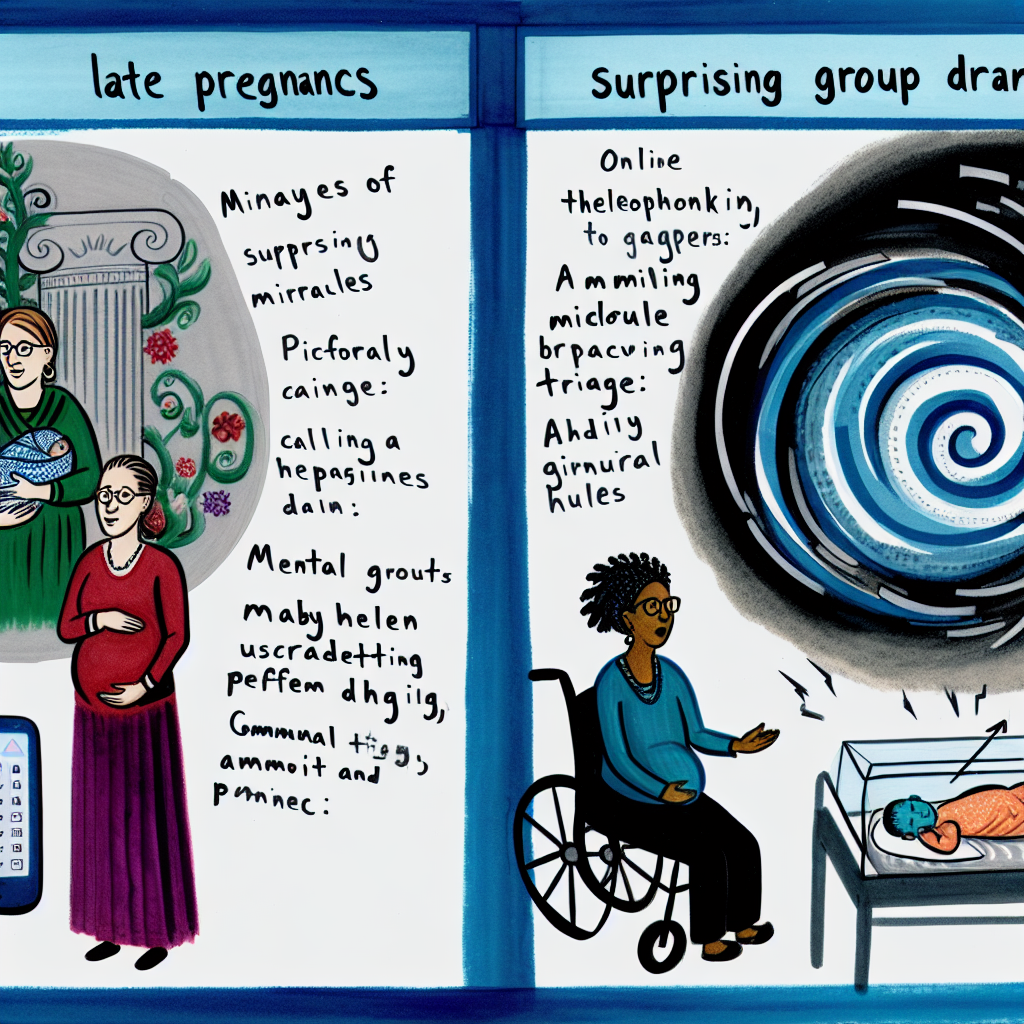
Two days postpartum and debating whether a wheelchair is “cheating”? Newsflash: it’s not. It’s tactical. Healing looks different for everyone. If walking makes your stitches scream, or you’re wiped before you’re even in the car, ask for a wheelchair or curbside check-in. Bring a friend, ask staff for help, accept grocery deliveries. That’s not laziness—it’s triage for your functioning future self.
I once insisted on hobbling into a clinic because I felt I “should” manage. Ended up nearly fainting in the parking lot and feeling like an idiot for not accepting help sooner. Lesson learned: dignity is flexible when your main job is caring for a newborn.
## Nesting, dreams, and the sleep-anxiety spiral
Nesting and anxiety are two sides of the same coin. Moving the bassinet into your room at 39 weeks? Same. Waking up from dreams where you forgot to feed your actual baby—still pregnant, mattress wet from sweat—totally normal.
Quick rituals that helped me (and could help you):
– Five-minute breathing before bed (inhale 4, hold 4, exhale 6).
– A two-line journal: one worry + one win each night. Tiny wins are shockingly powerful.
– Visual boundary: keep the bassinet where you see it in daylight, move it if it makes night worse.
Sleep in these weeks is a fragile commodity. Treat it like currency.
## Photos, privacy, and the joy of sharing
Yes, that ultrasound pic is adorable. Also, not everyone wants to see it. If you share, follow group rules: post in designated threads, tag sensitive content, and think about how much identifying info you want floating online. If someone posts a photo in the wrong spot, a gentle reminder to move it to the right thread keeps the group usable and kind.
And if you’re on the fence about sharing—post it privately to a close list. Celebrate without a headline.
## Practical checklist for late-pregnancy and early postpartum sanity
– Know your hospital’s triage number. Memorize symptoms that mean “go now”: continuous leaking, regular contractions, heavy bleeding, severe pain.
– Bookmark 2–3 trusted community resources and your clinic’s patient portal.
– Pack a short postpartum clinic bag: heavy pads, comfy underwear, spare shirt, and emergency snacks.
– Accept mobility aids and favors. Say “yes” to grocery delivery and sit-down visits.
– Make a one-page emergency note for caregivers: baby basics (feeding schedule, allergies), partner contacts, your medical details.
## Work, identity, and the tiny self-care that matters
Balancing work and a newborn is like juggling while someone keeps replacing balls with kettlebells. If you’re returning to work or negotiating leave, be explicit about what you need. Shorter hours for a phased return, documented pumping breaks, or meeting-free mornings are reasonable asks. Your employer might not offer them unless you do.
Self-care isn’t massages and retreats (though those are nice). It’s a ten-minute walk, coffee cooled down and actually sipped, or a five-minute podcast that isn’t about parenting. Those tiny acts of autonomy remind you you’re still you.
## Wins, fails, and the messy middle
Win: I learned to accept a shower that counted as both hygiene and therapy.
Fail: I spent an entire afternoon trying to soothe a crying baby only to realize I hadn’t changed their diaper. Classic.
Both are valid. Celebrate the wins. Lnaugh at the fails (later) and be kind to yourself in between.
## Takeaway
These weeks are messy, miraculous, and sometimes terrifying. Do the practical stuff: learn your triage number, follow group rules, pack a clinic bag, and accept help. Do the emotional stuff: ground yourself with small rituals, name one worry and one win a day, and lower the bar on perfection.
You don’t have to have it together. You just have to show up, ask for help, and take one practical step at a time.
Rachel
What’s one tiny ritual (silly or serious) that helped you survive the late-pregnancy or newborn weeks? Share so the rest of us can steal it.