By Rachel Foster
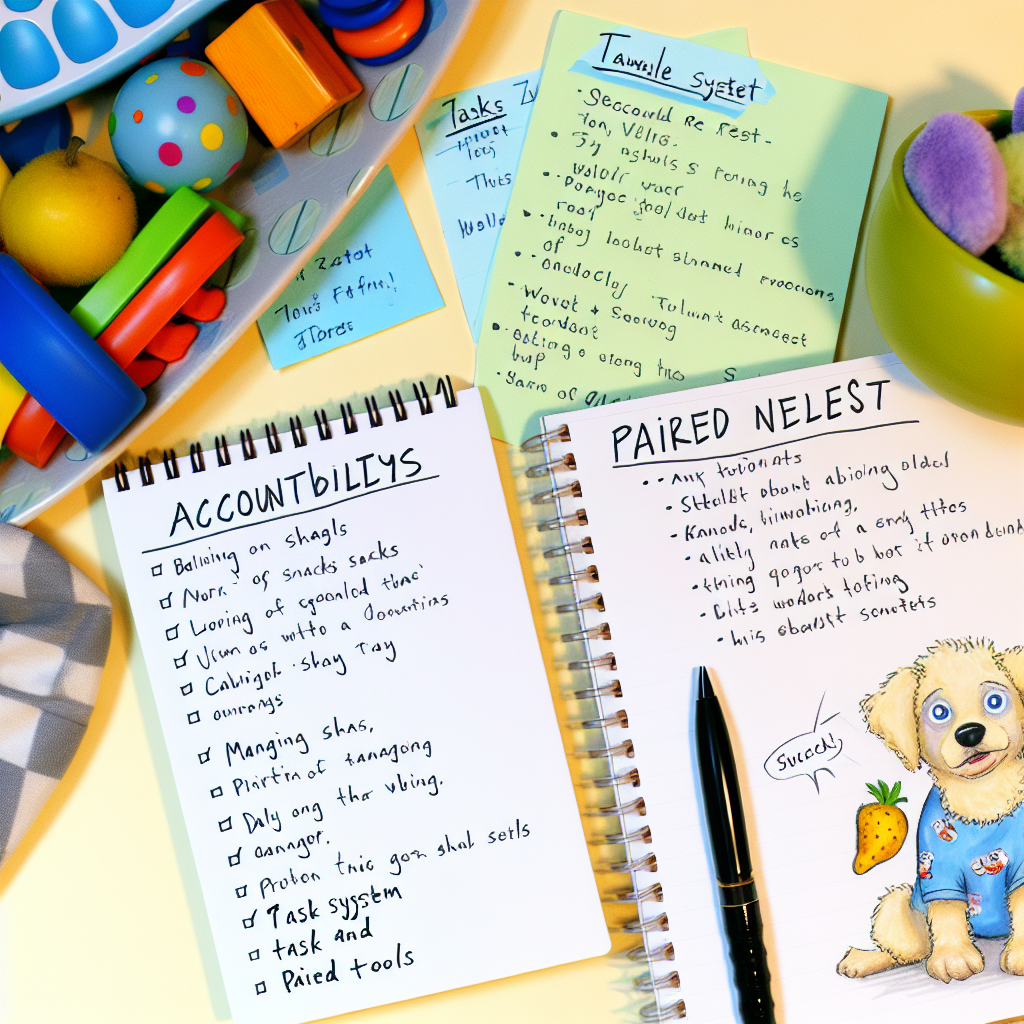
Parenting and work is basically an ongoing game of juggling: snacks in one hand, an email in the other, and a toddler deciding the dog’s toy is now the floor’s breakfast. If your productivity hacks feel like another thing to maintain, you’re not alone. The problem usually isn’t willpower — it’s signal overload. Here’s a friendly, messy guide to tiny habits that actually work between school drop-offs, nap windows, and bedtime stories.
## Hit Pause: The 90-Second Reset
I learned this the hard way. Once, after a conference call and a preschool pickup back-to-back, I tried to start a client draft with a toddler on my hip and yesterday’s grocery list still hammering around in my head. I ended up staring at the cursor until my brain gave up. Enter the 90-second reset.
– What it is: 90 seconds of no screens and no multitasking. Sit. Breathe. Listen to a simple audio cue or play a short calming sound you record once on your phone.
– Why it helps: It prevents that frozen feeling when you try to force focus while still carrying leftover tasks and stress. Ninety seconds is long enough to interrupt the mental loop and short enough to feel doable.
– How to fit it in: Use naptime, the two minutes before a Zoom, or the few seconds after you put the kids down. Treat it like brushing your teeth — not optional, just part of the routine.
Yes, sometimes the toddler wakes up mid-reset. That’s life. You restart. No shame.
## Minimal Task Systems That Don’t Collapse
Most to-do apps fail us not because they’re bad but because our lists balloon into freezing ovens of overwhelm. A few simple rules stop the spiral:
– Two lists only: “Now” and “Later.” Keep the Now list to 5–7 items. Everything else lives in Later.
– One MIT (Most Important Task): Pick the one thing that, if done today, makes the day feel successful. Do that first during your freshest 90-minute window.
– Time-box your energy: Put a 25–45 minute block on the calendar and do only that MIT. Protect that chunk like it’s a non-negotiable playdate.
Confession: I once had a 200-item to-do app list and felt morally obligated to scroll it in the carpool line. It made me feel worse. Narrowing the list felt like permission to breathe.
## Why We Abandon Apps (and How to Stop)
You probably started with optimism and five different productivity blogs. Then life happened.
– Too many features feel paralyzing.
– Lists balloon and you freeze.
– Weekly reviews sound like homework.
– Organizing takes longer than doing.
Fix: simplify. Choose a tool you actually enjoy — paper planner, lightweight app, or a shared calendar — and limit how much you put in it. If it’s fun or frictionless, you’ll use it. If it’s another chore, it goes into the same black hole as the matching socks.
## Tool Combos That Actually Help
Instead of hopping between a dozen services, pair two things that cover structure and clarity.
– Easy site builder + design template: Build a family hub for medical info, schedules, and emergency contacts. One tool handles structure, the other makes it readable when someone else needs it at 7pm.
– Knowledge hub for family docs: A single searchable spot for school forms, permission slips, recipes, and medical records. Search beats digging through emails while the bus waits.
– AI + human check: Use AI to draft schedules, meal plans, or a weekly outline, then verify details quickly. AI gives structure; you add real-life judgment.
Yes, AI once suggested I schedule a quiet hour during soccer practice. Cute. I vetoed that one.
## Make Accountability Small and Doable
Big public commitments can motivate, but they’re rarely realistic for parents. Instead:
– Micro-pledges: Promise 10–15 focused minutes instead of an hour. Small wins stack.
– Buddy systems: Text a friend your MIT for the day. A tiny nudge from another parent often beats a to-do reminder.
– Visible progress: Keep a simple chart or shared note that tracks short bursts of progress. The dopamine of a checked box still works — use it in bite-sized pieces.
I used to post big weekend goals and feel like a failure by Sunday night. Now I brag about fifteen focused minutes. Much kinder to the soul.
## Putting It All Together: A Simple Routine
Try this loop tomorrow and adjust for reality:
1. Morning: Identify your MIT and three Now items (max).
2. Before you sit down: 90-second reset — no screens.
3. Work on MIT in a protected 45-minute block.
4. Use a knowledge hub to file any documents, ideas, or receipts immediately.
5. Midday micro-pledge: 15 focused minutes to knock out a smaller Now item.
6. Evening: Quick review — move anything unfinished to Later and pick tomorrow’s MIT.
This routine is intentionally small. It doesn’t promise uninterrupted work days or Instagram-worthy productivity. It promises a little structure that respects the reality of parenting.
## Wins, Fails, and the Middle Ground
Let’s be honest: I will never be the parent who bakes cupcakes and mails handwritten thank-you notes for every playdate. But I did use a 90-second reset before a tense work call last week and realized I’d been carrying a grocery list in my head for three days. That 90 seconds saved me from sending an email with two glaring typos and an accidental attachment of my kid’s crayon art.
And I still forget to put library books back on time. The point is not perfection. The point is making tiny habits that reduce friction and give you back micro-moments of calm.
## Final Thought
Parent life forces flexibility. Productivity isn’t about perfect systems or maximal output — it’s about carving out tiny rituals that reduce drag and let you do the things that matter without burning out. The 90-second reset buys clarity; a stripped-down task system, a couple of smart tool pairings, and micro-accountability turn chaotic days into ones where you actually finish something and feel good about it.
Takeaway: Small, repeatable habits beat flashy systems. Try a 90-second reset before work sprints, keep only two lists, pick one MIT, and use simple tool combos. Make accountability tiny and social. Start with one change this week — you’ll be surprised how much calm it creates.
What tiny habit has surprised you by making a real difference in your day? Share a win or a facepalm moment — we could all use the company.